
The backend infrastructure is recovering after a minor outage.
The team is currently working to help accelerate the recovery process and additional updates will be provided below as they become available.
[2023-05-05 Updates]
2228 UTC - Incident created, recovery in-progress as team continues to monitor.
2330 UTC - Environment is successfully recovering, team will continue to monitor.
Beiträge von NewsBot
Datenschutzerklärung: Hier
Einstellungsmöglichkeiten zur Privatsphäre finden Sie in Ihren Einstellungen.
Einen maschinenlesbaren Export Ihrer Daten können Sie in Ihrem Profil anfordern. Hier
-
-
Which upgraded feature are you most excited for? Join us this week on Star Citizen Live as we bring in guests from the EU PU team to discuss more about improvements you can expect from the mining, salvage, and tractor beam experiences coming to Alpha 3.19!
 Star Citizen Live - Roberts Space Industries | Follow the development of Star Citizen and Squadron 42Roberts Space Industries is the official go-to website for all news about Star Citizen and Squadron 42. It also hosts the online store for game items and…robertsspaceindustries.com
 -
Alles anzeigen
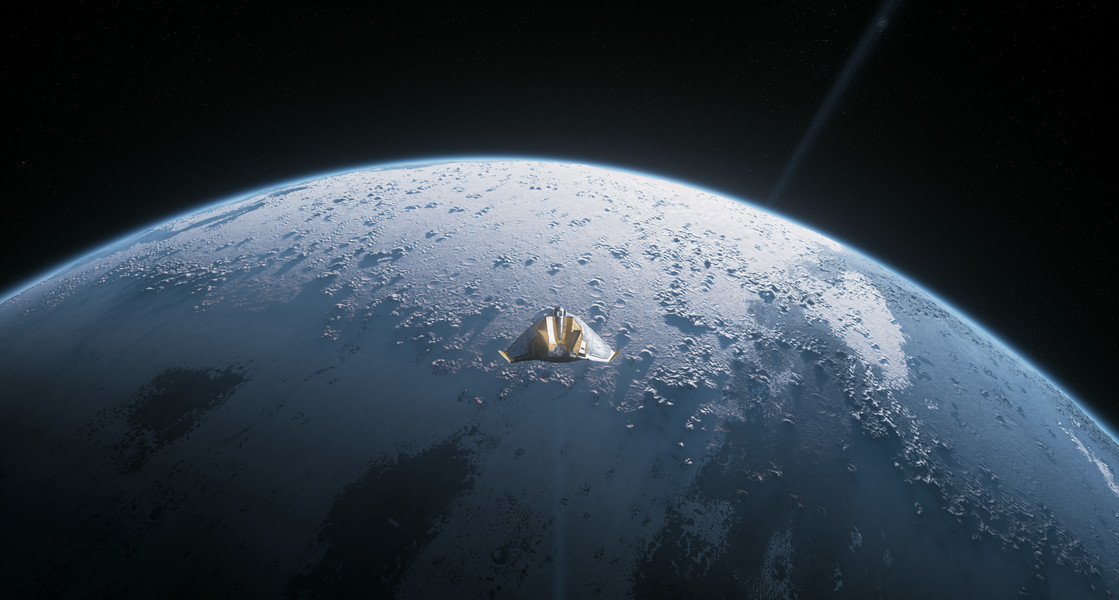
If you’re from around here, you’ve no doubt heard about Jumptown. Local legends tells of the infamous “hidden” drug lab on the icy moon of Yela, and the bloody conflicts that raged there as local factions vied to control its production or its fate. Now, years later, more drug labs have been uncovered in various locations around the Stanton system, and this time the firefights will be deadlier, the spoils richer, and the stakes higher than ever before.
In 2019, the Star Citizen community discovered a lucrative drug lab on the surface of Crusader’s moon Yela. What followed was completely unplanned, and surprised everyone - including our development team.
Tens of thousands of players flocked to the outpost, with split motives in mind – eager outlaws and less-than-scrupulous organizations rushed to acquire and sell this newfound illicit treasure trove at any cost, while more lawful groups chose to lock down the station in a bid to prevent further criminal activity.
This clash resulted in a perpetual tug-of-war between far-flung factions and home-grown heroes over control of the outpost. You never knew what you’d find when approaching Jumptown, which only the most dedicated could locate, since it wasn’t easily pin-pointed on standard-issue maps.
These events were so profound, they ended up becoming official canon in Star Citizen’s lore – a prime example of player actions shaping the future of the ‘verse forever.
Originally released in Star Citizen Alpha 3.16, this dynamic event inspired by the original Jumptown wars, is back with all-new improvements that will challenge you like never before.
Read on for more details about what to expect, and be sure to outfit your force for the impending mayhem.
Inside Scoop
These new labs have a totally redesigned interior, reimagined as a circular floorplan that conveniently comes with fewer doors, making for better sightlines and shooting lanes. A second dispenser can also be found for more expedient drug production.
On the Outside
The entire operation has doubled in size, with a second entrance and multiple windows and skylights to make ambushes hard to come by for those hunkered down inside as well as those attempting a breach from outside.
Multiple Points of Contention
The scofflaws and scalawags of Stanton are getting wiser, rotating the locations of their automated drug-production operations. Jumptown is but one of these facilities, so keep an eye on your mission manager for the up-to-date locations.
Get the Bag
SCU containers are bulky and conspicuous, word around the system is the local scum have started to transport their contraband in smaller, more discrete parcels. Be sure to bring a Multi-Tool with a tractor-beam attachment.
This Dynamic Event can be undertaken by either lawful or unlawful players. The mission itself plays out the same regardless of which path you take, with a few key differences.
To take the lawful path, be sure you have a CrimeStat of zero and then accept the mission from the local security office, marked in your contracts manager as a Priority mission. The drug boxes you collect at the mission site will need to be taken to the closest LEO port. For example, if the mission is taking place at Jumptown, you would take your haul to Port Olisar.
On the lawful path, if you successfully delivery at least one run of contraband back to the LEO port, you will receive an aUEC bonus on top of the price of the drugs you deliver.
To take the unlawful path, you must have a CrimeStat of any level and accept the mission from Ruto. To do this you will need to have a non-negative affinity with the mission giver. Ruto knows how valuable this intel is, so he also asks a buy-in for the mission.
On this path, all contraband must be taken to an unlawful trading post to be sold off, regardless of where the mission is taking place. The unlawful path will provide a bonus to the price of each successfully delivered drug box.
Accept the Mission
Open the Mission Manager in your mobiGlas and navigate to the Priority category, either under the General tab for the lawful path or Personal for unlawful. This will give you both the coordinates of the drug lab and where to sell the packages.
Fly to the Lab
The drug lab will be marked on your HUD and the Starmap. It may be in Crusader, microTech, or ArcCorp space. If you're on the lawful path, you'll be taking the drugs to the corresponding LEO stations (Port Olisar, Port Tressler, and Baijini Point, respectively), which will also be marked on your HUD. If on the unlawful path, you'll be traveling to Grim HEX for your payout.
Grab the Contraband
Once you arrive at the lab, your goal is to find the drug spawner inside (pictured here). This device will pump out one box of contraband every 30 seconds. This timer doesn't start until you grab the previous box, so you'll have to hold your position against anyone else looking for the same payday if you want to maximize your earnings.
Jumptown Schedule - 3.18.2
Each time listed represents a location change, and each location runs approximately 24 hours. The final location will run until May 9 at 1 PM Pacific / 8 PM UTC.
- May 5, 2023 at 9 AM Pacific / 4 PM UTC
- May 6, 2023 at 9 AM Pacific / 4 PM UTC
- May 7, 2023 at 9 AM Pacific / 4 PM UTC
- May 8, 2023 at 9 AM Pacific / 4 PM UTC
Jumptown Offers
Whether you need to get your troops in or get your drugs out, take control of the battlefield with these curated Assault Packs with ship paints, or browse a plethora of Jumptown heavy hitters below.
Visit robertsspaceindustries.com/comm-link for details.
RSI Store promotion. Visit robertsspaceindustries.com/comm-link for details.
 Jumptown 2.1 - Roberts Space Industries | Follow the development of Star Citizen and Squadron 42Roberts Space Industries is the official go-to website for all news about Star Citizen and Squadron 42. It also hosts the online store for game items and…robertsspaceindustries.com
 -
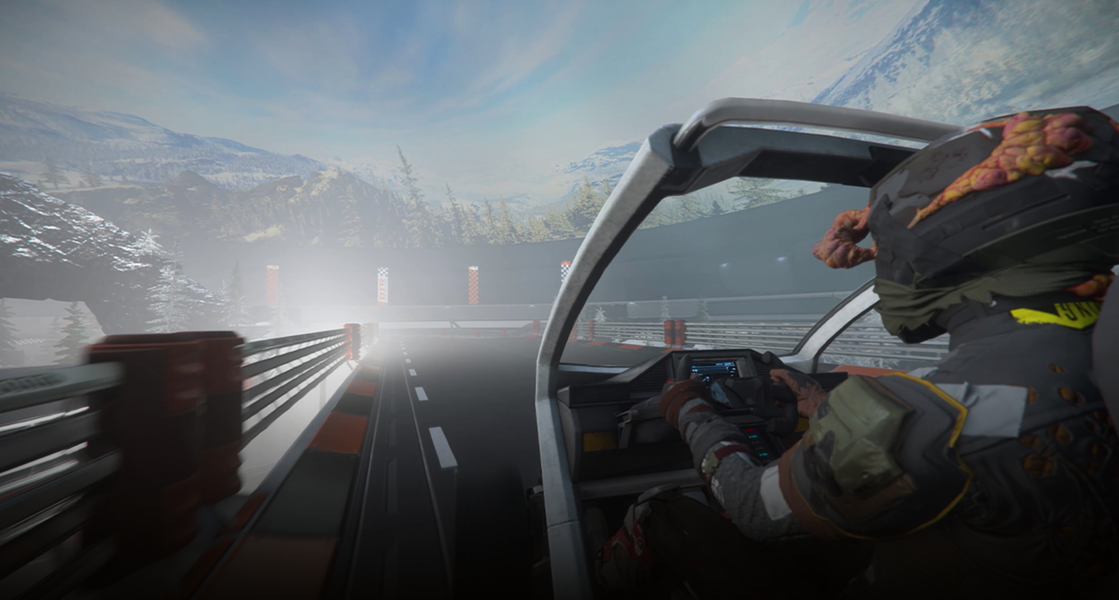
Join us at the starting line of the upcoming microTech PTV racetrack, now more treacherous than ever, while we drive between regularly scheduled tasks to explore what individual artists work on amidst larger features.
 Inside Star Citizen - Roberts Space Industries | Follow the development of Star Citizen and Squadron 42Roberts Space Industries is the official go-to website for all news about Star Citizen and Squadron 42. It also hosts the online store for game items and…robertsspaceindustries.com
 -
Alles anzeigen
Happy Wednesday, everyone!
Every two weeks, we accompany the Roadmap update with a brief explanatory note to give you insight into the decision-making that led to any changes. This is part of an effort to make our communications more transparent, more specific, and more insightful for all of you who help to make Star Citizen and Squadron 42 possible.
With that said, let’s go ahead and dive into this week’s Roadmap Roundup!
-CIG Community Team
Notable Changes for May 3, 2023
Progress Tracker
The following deliverables have been added to Progress Tracker:
Ship Trespass
The interior of players' ships are now considered trespass zones for those without permission to enter. Permission will granted via the party system until more complex systems for managing crew and passengers is created. Players trespassing aboard a ship can be attacked by the owner of the ship and any player in their party without fear of committing a crime. This deliverable has been added to the Mission Feature Team's schedule.
New Missions - Retrieve Consignment
A new mission type where players are tasked with locating critical items in consignment lists, then safely extract them. This deliverable has been added to the Mission Feature Team's schedule.
Release View
The following card has passed its final review for Alpha 3.19, therefore we are updating its card to Committed:
RSI Lynx
Building, implementing, and balancing RSI's planetary rover, the Lynx, as a game-ready vehicle.
The following cards have been added to the Alpha 3.20 column on Release View:
Ship Trespass
The interior of players' ships are now considered trespass zones for those without permission to enter. Permission will granted via the party system until more complex systems for managing crew and passengers is created. Players trespassing aboard a ship can be attacked by the owner of the ship and any player in their party without fear of committing a crime.
New Missions - Retrieve Consignment
A new mission type where players are tasked with locating critical items in consignment lists, then safely extract them.
MISC Hull C
Encompasses all tasks, including design, art, audio, and tech, required for the implementation of the MISC Hull-C heavy cargo hauler into the PU.
That's all for this week! Join the discussion on Spectrum, and check out the Roadmap Companion Guide for more information on the Star Citizen Public Roadmap.
 Roadmap Roundup - May 3, 2023 - Roberts Space Industries | Follow the development of Star Citizen and Squadron 42Roberts Space Industries is the official go-to website for all news about Star Citizen and Squadron 42. It also hosts the online store for game items and…robertsspaceindustries.com
 -
Alles anzeigenExterner Inhalt robertsspaceindustries.comInhalte von externen Seiten werden ohne Ihre Zustimmung nicht automatisch geladen und angezeigt.
Welcome to April’s PU Monthly Report. Read on for the latest updates from Star Citizen’s global development teams, including Art, Engine, Vehicles, Locations, and more.
AI (Content)
In April, the AI Content team continued to refine behaviors, improve animations, and develop new features for the PU and Squadron 42. This involved further work on the sleep and bed-relaxation behaviors, which received improved animations. They also polished the various leisure animations that allow characters to watch TV and use the mobiGlas on bunk beds.
Various AI blockout animations for janitorial tasks were created, such as placing and using the bucket and mop. AI Content also made significant progress on the janitor's workflow, with Design and Animation working closely together.
AI Content added variation to the trolley artwork, moving away from the whitebox version. Further expansion was planned too. They’re currently looking to prevent trolley ‘popping’ and improve box placement in the hangar for a more-realistic and less-robotic feel.
AI (Tech)
Last month, AI Tech progressed with navigation and movement system features.
They also completed tasks for the navigation-cost-area modifier, which will mark specific areas and increase or decrease the cost of paths that go through them; this will influence which paths NPCs or ground vehicles choose. Alongside polishing and providing feedback on the feature, a way for entity tags to influence cost area was implemented.
For example, a location with fire will have a high cost for normal NPCs to ensure they avoid it. However, the same area will have a lower cost for NPCs wearing fire protection.
Work also began on ground-vehicle collision avoidance, which involved updating the system to support both vehicle-to-vehicle and vehicle-to-NPC avoidance. This required unifying how agents are separated. Previously, they were separated by agent type (medium characters, large vehicles, etc.). Now, all agent types with different avoidance radiuses and rules are processed together providing they’re in the same navigation volume.
AI Tech updated behavior and tactical-point-system requests relating to transit. They also cleaned up and optimized transit in the movement system, which involved updating the pause-movement functionality logic used when running navigation-link logic. Now, it will only pause the movement request at that moment, and all follow requests will be processed.
On the AI Tools side, improvements and optimizations were made to the usable coordinator. The team also extended the debug AI tools, most notably adding a visualizer for testing tactical-point-system requests.
AI (Vehicle Features)
The Vehicle Feature team completed the new fighter-combat AI-flow design and can now play against NPCs with a reasonable variety of behaviors. They recently moved onto testing and tweaking, though they’ll continue to further modify behaviors based on various character traits. For example, making them more aggressive or cautious, which results in visible differences in NPC behavior. This will be the AI Vehicle Feature’s focus over the coming months.
Time was also spent improving ship-spline following. This involved implementing new algorithms for calculating a ship’s speed along a spline to prevent it from flying off. They also began experimenting with the procedurally generated splines feature, which enables ships to fly around reasonably detailed geometry without colliding with anything. This will be useful for various features, including the ship-recall feature mentioned in last month’s report.
Animation
Animation continued discussing creatures, creating a matrix showing the skeleton classes they think should exist and how the creatures could use them.
Art (Characters)
Last month, the Character Art team completed the frontier toxic and desert environmental wear outfits, the Duster faction’s common outfit, and the frontier light helmet.
Alongside this, Character Concept Art prepared handoff sheets for the Headhunters gang and Duster outfits, and began exploring an upcoming Subscriber item.
Art (Ships)
Last month, the EU Vehicle Content team completed the final art pass on an all-new vehicle, and the LOD0 art pass began on one of its variants.
Another new ship passed the whitebox stage; this is nearing completion and will move to the next production stage once an upcoming review is completed.
The team wrapped up on the RSI Lynx Rover, while another upcoming ground vehicle progressed through the greybox stage.
The LOD pass on the Argo SRV was completed. Relating to this, a support pass for tractor beams began, which includes retrofitting the new vehicle tractor beam onto existing supported ships. It also involves ensuring that all valid components can be removed using the FPS tractor beam.
“This has been achieved by adjusting the art and collision on some component bays as well as ensuring there’s a clear path to remove components from the vehicle.” UK Ships Team
A component-bay pass continued on the MISC Freelancer, which progressed to the LOD0 and final-art phase, and the Crusader A1 Spirit continued through the LOD0 phase, passing the greybox review gate. Additionally, the C1 Cargo variant entered the greybox stage.
In the US, Greybox on an upcoming vehicle was completed.
“We have redesigned the dashboard and cockpit to allow for better visibility while driving in first-person view. We also did a short pass on optimization, as we found that we may have gone a bit overboard on the detail and needed to pull back a bit, especially in areas rarely seen by the player.”
Greybox on the Aopoa San'tok.yāi progressed, with several areas being redesigned and fleshed out, including the rail system within the glass canopy. The team also created several iterations of the seat and settled on a design that highlights Aopoa’s use of Xi’an anti-gravity technology. In addition, they progressed on the new dashboard to further push the use of alien tech.
Externer Inhalt robertsspaceindustries.comInhalte von externen Seiten werden ohne Ihre Zustimmung nicht automatisch geladen und angezeigt.Community
The Community team supported the Alpha 3.18.1 and 3.18.2 release, as well as the recent Free Fly event. Preparations are in full swing for the upcoming Alien Week, and work continued on the New Player Hub. The team is also working on numerous improvements for the Community Hub - many of which have been highly requested, and more info will be shared soon.
April also saw the kick-off of this year's Bar Citizen World Tour. For the first time ever, members of the Community team visited Phoenix, Arizona in the USA, and followed this up with another visit to Paris, France. Further, as well as supporting a Bar Citizen event in Manchester, UK with over 100 players and 40 CIG staff, several members of the team attended the community-organized convention, Con42, near Frankfurt, Germany.
"The third iteration of this incredible event brought together nearly 600 community members, as well as many from the CIG staff team, who answered some burning community questions in two dev panels! It was a privilege to attend such a fantastic event and meet so many of you in person, and we loved supporting this super-engaging event." Community Team
Lastly, the team has been entrenched in CitizenCon 2953 planning, with announcements and activities to be revealed very soon. They are excited to share what's in store for the epic return of this in-person celebration of all things Star Citizen and, most importantly, the community, so keep your eyes peeled in the coming days for more details!
Externer Inhalt robertsspaceindustries.comInhalte von externen Seiten werden ohne Ihre Zustimmung nicht automatisch geladen und angezeigt.Engine
Besides support for the ongoing patch release, the Core Engine team ironed out tech developed over the last few months, readying it to be integrated into the main development stream. This includes testing the new P4K format, which will speed up the game’s startup. When QA is finished, the Engine team will begin integrating it into the main development stream and enable it for all other departments.
The new internal code-build system, StarBuild, is in the final stages of having Linux compilation enabled. Afterward, the team will start to roll this out internally.
For memory management, the Engine team are continuing to develop an internal tool to better analyze memory usage (and later reduce the memory usage of the game).
For the Gen12 renderer, the team ported the last remaining legacy rendering passes to the new API. They also began deleting the no-longer-needed legacy code.
Improvements to the streaming systems began too. First, the team simplified logic to update the per-instance streaming data, which will leave less code to maintain. Additionally, they began moving more streaming logic away from the main thread to background workers; this affects the frame time less and streams objects much faster.Work was also done on the generic shape system, with the current focus on the editor to allow the designers to set up multiple sub-segments. To improve entity areas, significant code work was done to ensure consistent and non-duplicate enter/leave events are sent in all cases.
The entity lifetime system was also updated to allow the designers to specify areas with different rules. For example, adding aggressive cleanup to areas where gameplay is important, like hangers. Various bug fixes and optimizations were completed too.
The Physics team added winch support to the rope system, which allows them to switch between fixed and pulley attachments.
For the Alpha 3.18 release and beyond, work went into managing the memory of physics objects. This will allow them to collect every allocation call site as well as utilize customizable upper object limits, which will help to detect leaks.
Additionally, the old error-prone manual ref counting was replaced with a tagged weak pointer approach, which is safer and more friendly to multi-threading code.
Geometry parts are now assigned a unique ID to enable them to be queried by name. As a side effect, this puts more requirements on debug names, which will make them more expressive and globally unique. Additionally, the individual physical collision of geometry parts can now be disabled.
Improvements were also made to physically based wheeled vehicles on how they handle contact with hard surfaces. A new specialized AABB tree was introduced for use with signed distance fields, which favors a fast tree generating speed at the cost of slower culling code.
Lastly, various bug fixes and optimizations were done.
Externer Inhalt robertsspaceindustries.comInhalte von externen Seiten werden ohne Ihre Zustimmung nicht automatisch geladen und angezeigt.Features (Arena Commander)
During April, the Arena Commander Feature team focused on Alpha 3.18.x release support, and finalized planning for the rest of the quarter.
The Engineering team supported the code rework for the VMA/loadout customization menus; this will enable it to work better alongside the new spawning technology introduced with Persistent Entity Streaming. Analytics work was also completed, including adding support for features coming later this year.
Finally for Engineering, several new game modes and filters for the new frontend were created to help players find the modes they want from the new game mode selection window.
Arena Commander’s Design team finished two versions of the reworked Defford Link track, which were successfully playtested.
“While only one of these maps can become Defford Link, after overwhelmingly positive feedback, we'll be releasing the other as a brand-new fourth addition to the New Horizon Speedway collection.” Arena Commander Design Team
Design also continued to polish the new Arena Commander frontend, adding filters, detail to the game mode tiles, and video backgrounds to the mode buttons. Finally, designs were completed for an unannounced feature.
Externer Inhalt robertsspaceindustries.comInhalte von externen Seiten werden ohne Ihre Zustimmung nicht automatisch geladen und angezeigt.Features (Characters & Weapons)
In April, the Features team began adding EVA fuel to the actor loadout. When implemented, players will use fuel as they accelerate or decelerate while free roaming in zero gravity. If fuel runs out, they can use their oxygen supply as a low-grade emergency supplement to get them to safety. However, jumping from surface to surface using the new zero-g traversal system will not use fuel, making it a viable option for players traveling without thrusters or that are low on fuel. The Multi-Tool tractor beam can be used to navigate environments without gravity too.
The team also worked on flak ammunition. This generates a single projectile that, on explosion, breaks into additional projectiles that fire in random directions. Part of this included implementing the option to add a proximity trigger to any projectile.
Features (Gameplay)
Last month, the EU-based team progressed with the mining update and tractor beam detach/attach feature, which are targeted for release in Alpha 3.19.
For Salvage, development of the ‘munching’ feature began, with the first prototype finished for internal iteration.
For the refinery, the first blockout for the UI screen was created and the gameplay beats of the various refining methods were discussed. The team now have a clear understanding of what the different deliverables will look like and how the actual gameplay will play and feel.
In the US, the Design team implemented the halls for Invictus Launch Week. This was done using new functionality from the USPU team, which not only reduces the setup time but also eliminates the possibility of a significant number of bugs historically encountered during the event’s setup.
In April, the team refactored how in-game ship prices and insurance expedite fees and times are calculated. The process is now automated based on a ship's stats and characteristics, and will continue to evolve as the amount of data factored into the price calculations increases.
As a result of redistributing mineable resources, the team completed their initial pass on refineries. This will change how efficiently each location refines specific ores based on the abundance of mineable resources within that region. Along with this, they’re currently rebalancing the sell prices of refined resources at the Admin and Trade & Development Division offices to account for this new distribution.
“These changes are currently in the PTU, and we'll continue to iterate on the new prices as we review the data we receive from testing.”
Finally, the engineers focused on the new cargo deck and external cargo-loading game loop that will be used to support ships such as the MISC Hull C. This is the first step in a sequence of planned updates to make cargo gameplay more physical and tangible. Fundamental concepts, such as the cargo warehouse and asynchronous buy and sell orders, not only support the Hull C but will be important elements in manual cargo loading within hangars.
Features (Mission)
To add greater variety to in-mission ship combat, the Mission Features team began adding all ships into the enemy spawn pool.
“We used a tool to pit all ships against one another 1000 times to determine a difficulty progression.” Mission Features Team
Work also continued on Salvage missions, with attention given to missions where salvage is used to restore valuable ships for profit.
Development continued on the Package Extraction, Data Heist, and Consignment Retrieval missions. Various ship interiors were also marked up ready for combat.
On the code side, many much-needed fixes were added, while work on players defending their ships is almost complete and will soon begin testing.
Graphics, VFX Programming & Planet Tech
Last month, the Graphics team worked towards enhancing the game’s realism, functionality, and developer workflow with a range of long-awaited features and upgrades. For example, streaming locally compiled skinned meshes is now possible, allowing for much quicker loading and replication of the release build. The editor also has a new HUD feature that indicates when resources are being compiled.
Water volume finetuning began for use on planets, specifically with atmospheric and fog volumes. These integrations are part of the Q2 water deliverables, which also include water ripple simulations in all bodies of water (even down to puddles).
A series of performance and compatibility improvements were made to the core renderer. This included the removal of some legacy CPU-to-GPU buffer management synchronization, which could on occasion cause hangs in Nvidia drivers.
The team also began moving volumetric fog and gas clouds to Vulkan. They’re currently looking to enable the feature following essential compatibility, functionality, and visual quality control fixes.
The UI Tech and Graphics teams made considerable progress on the interior-map feature. Last month, the map’s core visual features were completed, with the current focus on performance improvements and polycount optimization. A temporal super-resolution prototype was integrated too, paving the way for improved resolution and clarity across the entire game.
For the ongoing development of fire tech, a new shared resource manager now efficiently manages 3D texture data across multiple fire emitters associated with a single voxel grid. As part of this, the voxel grid received several important bug fixes, including an out-of-bounds issue caused by discrepancies between the iteration code and preliminary code. This fix ensures accurate and consistent rendering of voxel-based elements within the game.
In-Game Branding (Montreal)
In April, the In-Game Branding team created the interior and exterior signage for Pyro’s Ruin Station and continued supporting the EU Location team.
Externer Inhalt robertsspaceindustries.comInhalte von externen Seiten werden ohne Ihre Zustimmung nicht automatisch geladen und angezeigt.Lighting
The Lighting team progressed with core work on cave lighting, which will be added to the PU’s new and existing caves.
Progress continued on Ruin Station alongside other smaller tasks too.
Externer Inhalt robertsspaceindustries.comInhalte von externen Seiten werden ohne Ihre Zustimmung nicht automatisch geladen und angezeigt.Live Tools
The Live Tools team progressed with the design of a new Network Operation Center feature. They’re currently involved in the continuous improvement of the tool, which aims to provide the best experience possible to its users.
The team also began rolling out a new version of the internal error-handling pipeline.
Narrative
The Narrative team spent the month closing out tasks and submitting numerous bug fixes to help get the next patch ready for release. They also continued to give items, clothing, and armor names and descriptions, and worked with Design to improve Salvage missions. They also supported initiatives to help newer players learn the game.
Additionally, they began working on upcoming content, including the new Package Extraction, Data Heist, and Consignment Retrieval missions. They also looked at expanding the air-traffic-control dialogue to support new gameplay, including the new cargo features.
Work continued on Pyro, with Narrative helping the Content team develop lore for the system’s initial contracts and how players can interact with the various outlaw groups. Additionally, they planned upcoming work to further develop the game’s xeno-languages.
April also brought with it a batch of new Galactapedia articles alongside a Portfolio exploring the illicit drug WiDoW.
Online services (Montreal)
In addition to bug fixes, performance improvements, and updates to the login-flow code, the Online Services team completed work on changes to long-term persistence (LTP).
“We rely on LTP for players to be able to transfer progression between releases. LTP had to be completely rewritten for Persistent Entity Streaming, as the old implementation had fundamental issues and would not fit with the concept of full persistence. The new system monitors the global player inventory and simply creates/destroys LTP records for aggregates stowed into or unstowed from inventories.” Online Services Team
Research & Development
In April, the R&D team continued to focus on improving the temporal render mode for atmospheric and volumetric clouds.
“The major obstacles to overcome are still occasional noise and temporal artifacts in the raymarched results for various view scenarios, as well as the upsampling of results under the presence of thin silhouettes within a given frame.” R&D Team
Additionally, improvements to cloud shaping were implemented and are currently in the prototyping stage with Tech Art. The goal is to improve the global vs local read of clouds as well as their volumetric look along the vertical profile, all while avoiding shaping artifacts.
These changes should also help break up tiling and overcome certain shaping issues due to limited degrees of freedom when building a 3D volume from noise, a set of 2D textures, and the parameterization used to access them.
Systemic Services & Tools
In April, the Systemic Services & Tools team progressed with the service-beacon refactor and completed several bug fixes for Alpha 3.18.2. They also completed various shop optimizations and began prototyping mission markers for bounty hunting. They're currently preparing to work on the virtual NPC service.
The team planned out the next set of milestones for the Quantum/Odin tool too.
Tech Art/Animation
In April, the Tech Animation team made significant progress on head-asset processing. This involved developing a semi-automated system that has not only reduced turnaround time but also improved asset quality.
The team also continued with DNA integrations, collaborating closely with other teams to integrate their data with the rest of the codebase. Support also continued for the various Feature teams.
UI
In April, the UI Art team improved several Squadron 42 features that may eventually make their way into the PU, including improved visuals for radial menus and various weapon screens.
The UI Tech team worked on several bug fixes and performance improvements and began work on the new interior map.
VFX
Last month, VFX provided support for several props and interactable items, including new types of volatile cargo.
They also progressed with tasks for several locations, such as Lorville and various rock caves. A clean-up pass was also done on some older locations, which involved tidying up the levels' layers and making sure placed particle effects were named correctly.
Support for two new vehicles continued too.
Star Citizen Monthly Report: April 2023 - Roberts Space Industries | Follow the development of Star Citizen and Squadron 42Roberts Space Industries is the official go-to website for all news about Star Citizen and Squadron 42. It also hosts the online store for game items and…robertsspaceindustries.com -
Alles anzeigenExterner Inhalt robertsspaceindustries.comInhalte von externen Seiten werden ohne Ihre Zustimmung nicht automatisch geladen und angezeigt.
Happy Tuesday, everyone!
In the world of 3.18.2, the team has been tirelessly gathering data and rapidly implementing hotfixes (often several times a day!) to tackle the interaction delay issue. We are pleased to report that we have identified the root cause and are already working on some fixes to improve the experience. Your efforts in playing and reporting have greatly accelerated our time-to-fix, and we are truly grateful for your recent activity. Though the journey has been bumpy, we have made significant progress. However, we recognize that there is still much work to be done, and we will remain vigilant in monitoring, adjusting, and implementing further fixes as needed. Thank you!
In case you missed it over the weekend, Alpha 3.19 is now available to the Wave 1 testing group on PTU! Salvage Contracts, new encounters at Ghost Hollow, and more are available to test as we lead up to Invictus Launch Week. For more information on PTU Testing and how to jump in, check out our PTU FAQ on the Knowledge Base.
Our next stops on the Bar Citizen World Tour are upon us! Join your fellow citizens for good beverages, good times, and good....goodies to be won! We'll be visiting Sacramento, California on May 14, as well as Belgium for the Be@Con event on May 20. For details on these as well as additional upcoming events, check out our 2023 Bar Citizen landing page.
Now, let's see what's going on this week:
This Tuesday, Subscribers will receive May's Subscriber Comm-Link and newsletter.
Wednesday, we've got the latest Roadmap update alongside its companion Roadmap Roundup. Plus, catch up on the latest development updates in April's Monthly Report, both for Star Citizen via Comm-Link and Squadron 42 via newsletter.
Thursday brings another episode of our weekly behind-the-scenes series Inside Star Citizen, where we explore more aspects of our continuing development than you can shake a stick at. (Warning: Don't shake a stick at Disco Lando, he frightens easily.)
On Friday, is another all-new, all-live episode of Star Citizen Live, which is LIVE at 8am Pacific / 3pm UTC. Did we mention it's LIVE? There's always someone in chat that asks. You'll also find our weekly RSI Newsletter directly delivered to your inbox.
For Light and Life!
Jake Bradley
Community ManagerTHE WEEKLY COMMUNITY CONTENT SCHEDULE
TUESDAY, MAY 2, 2023
- This Week In Star Citizen
- May Subscriber Comm-Link
- May Subscriber Newsletter
WEDNESDAY, MAY 3, 2023
- Roadmap Update
- Roadmap Roundup
- April 2023 PU Monthly Report
- April 2023 Squadron 42 Monthly Report (via newsletter)
THURSDAY, MAY 4, 2023
- Inside Star Citizen (youtube.com/c/RobertsSpaceInd)
FRIDAY, MAY 5, 2023
- Star Citizen Live (twitch.tv/starcitizen)
- Weekly Newsletter
COMMUNITY MVP: May 2, 2023
We're constantly amazed at the contributions made by the Star Citizen community. Whether it's fan art, a cinematic, YouTube guide, or even a 3D print of your favorite ship, we love it all! Every week, we select one piece of content submitted to the Community Hub and highlight it here. The highlighted content creator will be awarded an MVP badge on Spectrum and be immortalized in our MVP section of the Hub.
Don't forget to submit your content to our Community Hub for the chance to see it here!Greatest Delivery Mission Ever
Borozo put together a "side quest" of sorts at this year's Con42 event, with these incredible recreations of medical supply crates to boot!
Check out the full gallery at the link below: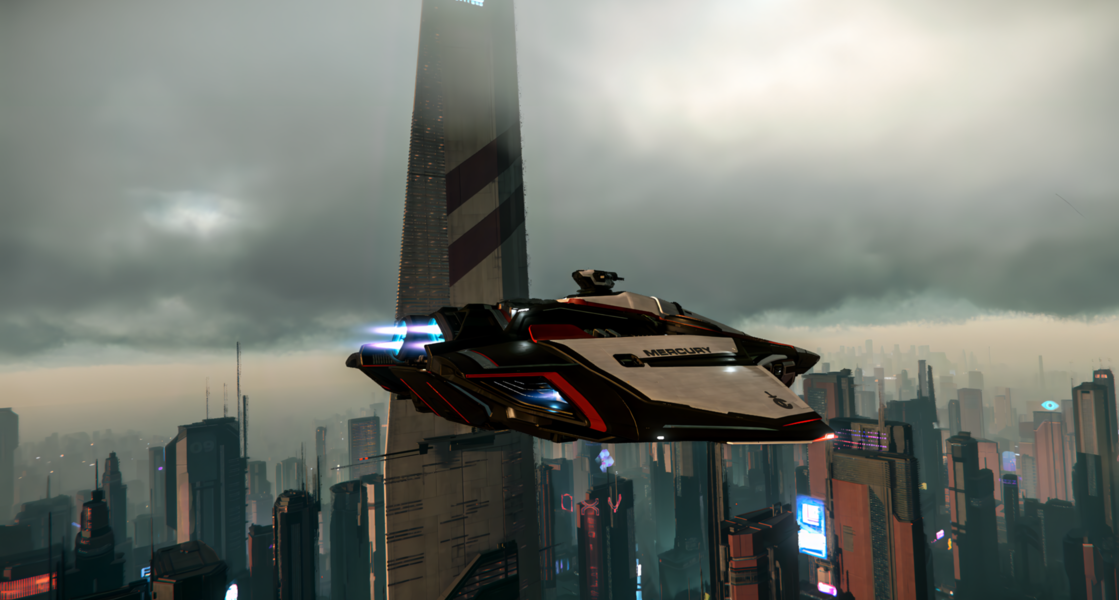 This Week in Star Citizen - Roberts Space Industries | Follow the development of Star Citizen and Squadron 42Roberts Space Industries is the official go-to website for all news about Star Citizen and Squadron 42. It also hosts the online store for game items and…robertsspaceindustries.com
 -
Alles anzeigenExterner Inhalt robertsspaceindustries.comInhalte von externen Seiten werden ohne Ihre Zustimmung nicht automatisch geladen und angezeigt.
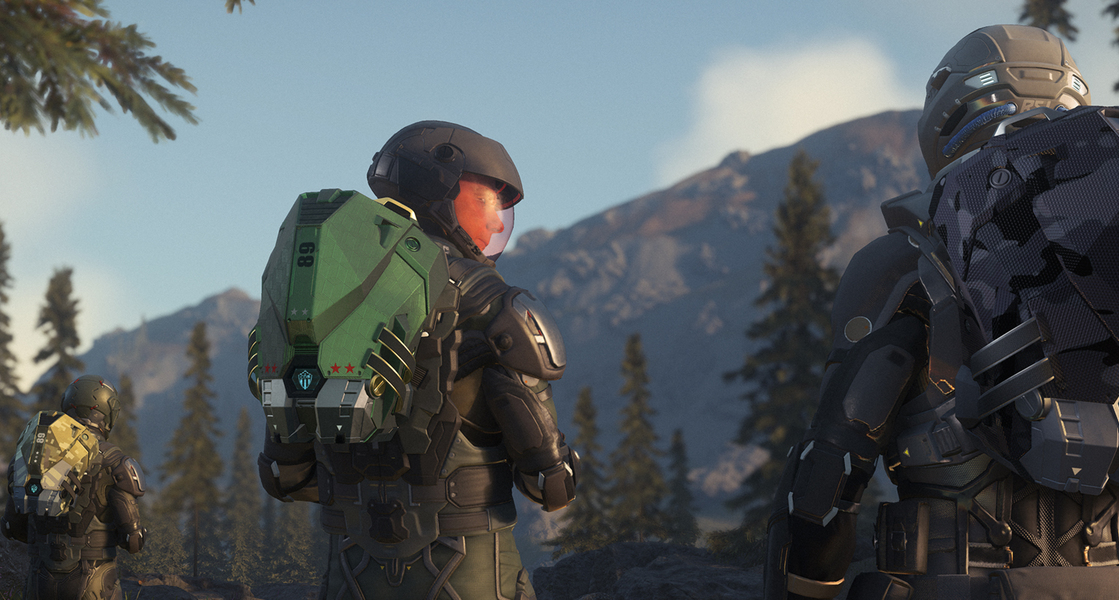
Welcome to an action-packed May! It’s nearly Invictus Launch Week, the annual military event that lets you try out some of the deadliest vehicles in the ‘verse. So, in keeping with the naval theme, this month’s Flair is a selection of Clark Defense Systems combat backpacks, each with a unique camo-inspired design.
If you’re looking for a break from all the naval action, May’s Ship of the Month has you covered. The Argo MOLE is a multi-crew miner that’s far more efficient than several ships working together, so gather a crew and make a fortune ripping rocks apart! As usual, the MOLE is available with enhanced insurance for all Subscribers until the end of the month.
(Flair will be available in the Alpha 3.19 Live patch.)
Clark Defense Systems Night Camo CSP-68L Backpack
The Night Camo edition features a special textured finish and mixes black camo and silver for a subtle-yet-striking look.
Current Centurion-level Subscribers get the Night Camo CSP-68L Backpack as part of their subscription. (Flair will be available in the Alpha 3.19 Live patch.)
Clark Defense Systems Cayman CSP-68L Backpack
The Cayman edition features a vibrant metallic green finish with geometric patterns for a color that changes slightly based on lighting conditions.
Current Imperator-level Subscribers get the Night Camo and Cayman as part of their subscription. (Flair will be available in the Alpha 3.19 Live patch.)
Clark Defense Systems Forest Camo CSP-68L Backpack
The Forest Camo edition features a special digital green camo pattern with silver highlights.
The Forest Camo is available to all Subscribers to pledge for from the Subscriber-Exclusive Store. (Flair will be available in the Alpha 3.19 Live patch.)
If you would like to receive this flair as part of a subscription, you can subscribe before May 9th, 2023, 20:00 UTC.
If you subscribe after May 9th, 2023, you can pick up these and previous months’ flair (going back to 2014) in the Subscriber-Exclusive Store. You can fill in any gaps in your collection and pick up extras to gift to non-Subscribers.
Earnable In-Game
Our goal is to make most items earnable in-game. For this reason, many Subscriber Flair items have been added to the in-game loot table as rare drops from Alpha 3.17. Most pre-2023 items that can be carried by players are available now, with new and future flair being added after a three-month exclusivity window.
NOTE: Some exclusive digital event items, such as those from CitizenCon Goodies Packs, will not be discoverable via the in-game loot system.
Externer Inhalt robertsspaceindustries.comInhalte von externen Seiten werden ohne Ihre Zustimmung nicht automatisch geladen und angezeigt.IN-GAME REWARDS (FLAIR)
Visit robertsspaceindustries.com/comm-link for details.
 May 2023 Subscriber Promotions - Roberts Space Industries | Follow the development of Star Citizen and Squadron 42Roberts Space Industries is the official go-to website for all news about Star Citizen and Squadron 42. It also hosts the online store for game items and…robertsspaceindustries.com
 -
Alles anzeigen
The backend infrastructure is recovering after a minor outage.
The team is currently working to help accelerate the recovery process and additional updates will be provided below as they become available.
[2023-04-29 Updates]
0230 UTC - Incident created, recovery in-progress as team continues to monitor.
0800 UTC - Recovery efforts complete. Will continue to monitor over the weekend.
1810 UTC - Infrastructure continues to perform as expected, resolving incident.
[2023-04-28 Updates]
2330 UTC - Infrastructure anomaly detected. Automated recovery initiated.
-
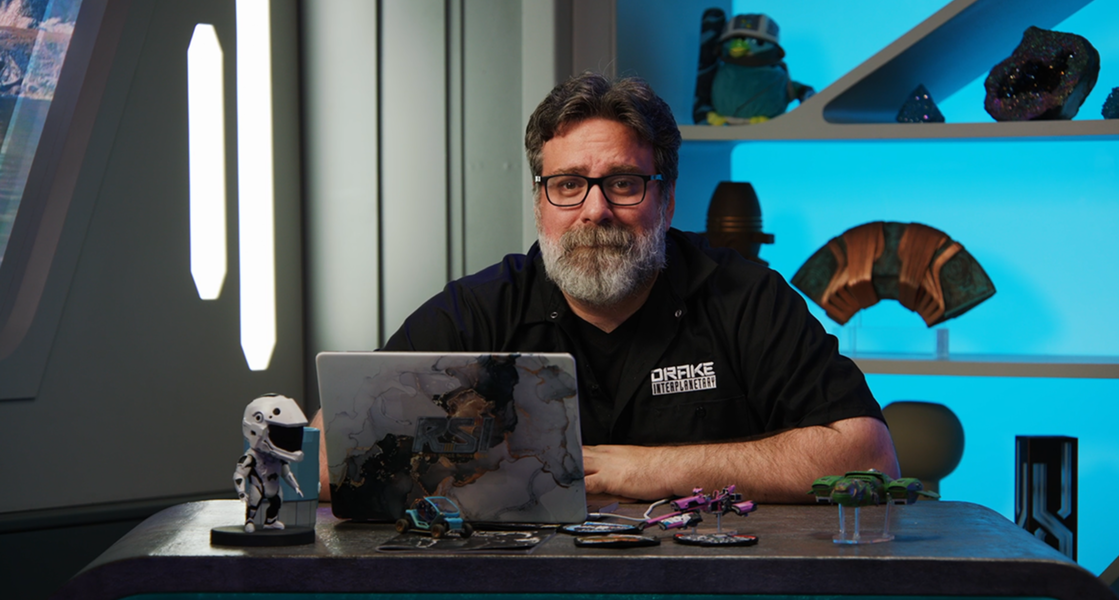
What is animation? What does it do for the player? How does the ability to toggle different views create challenges? This week on Star Citizen Live, Animation Director Steve Bender joins us to provide deeper insights into how it works.
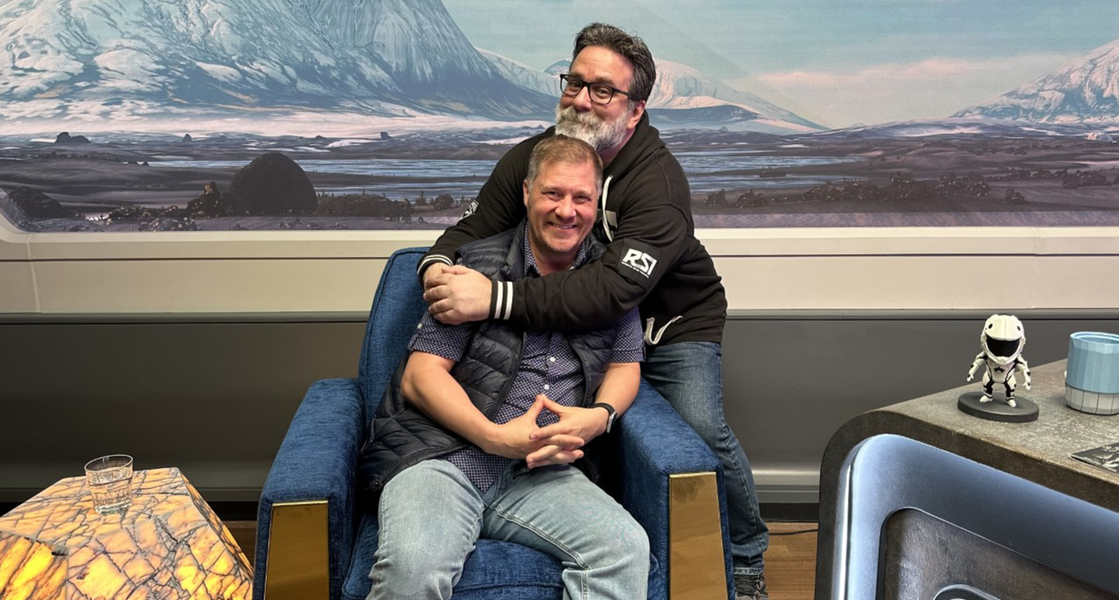 Star Citizen Live - Roberts Space Industries | Follow the development of Star Citizen and Squadron 42Roberts Space Industries is the official go-to website for all news about Star Citizen and Squadron 42. It also hosts the online store for game items and…robertsspaceindustries.com
 -
Externer Inhalt robertsspaceindustries.comInhalte von externen Seiten werden ohne Ihre Zustimmung nicht automatisch geladen und angezeigt.
Jump Point Now Available!
Externer Inhalt robertsspaceindustries.comInhalte von externen Seiten werden ohne Ihre Zustimmung nicht automatisch geladen und angezeigt.Attention, Subscribers: The April issue of Jump Point is now available! This time, we’re looking into Lorville’s upcoming rework, Anvil’s iconic military back catalog, the colossal RSI Bengal, and the origins of Pyrotechnic Amalgamated; the mining corp that discovered the now-outlaw-ridden Pyro system.
Interested in becoming a Subscriber? Learn more on the Pledge Store now.
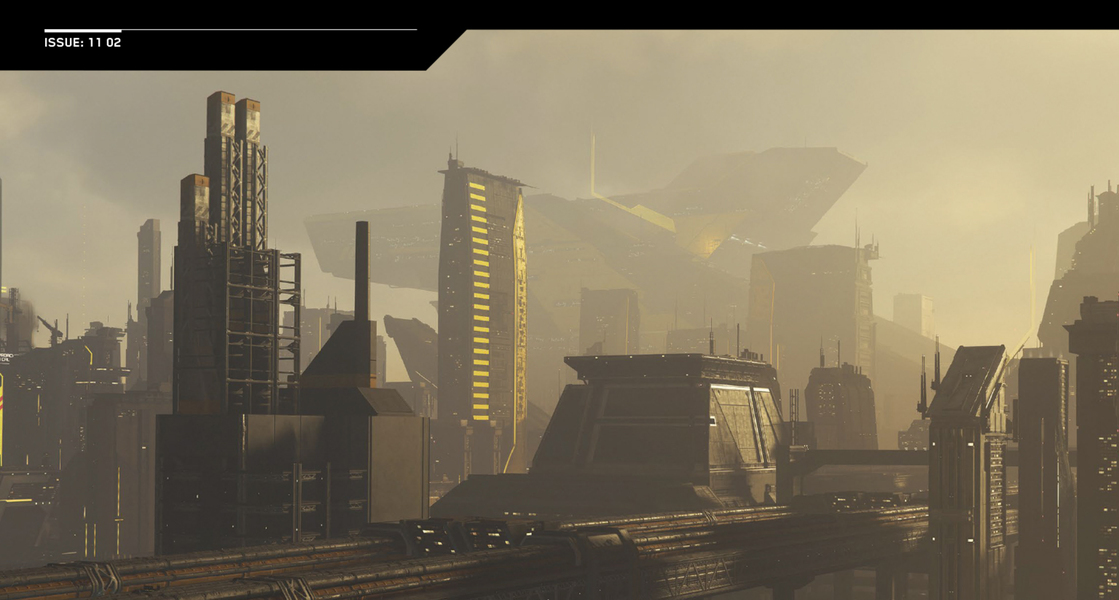 Jump Point Now Available! - Roberts Space Industries | Follow the development of Star Citizen and Squadron 42Roberts Space Industries is the official go-to website for all news about Star Citizen and Squadron 42. It also hosts the online store for game items and…robertsspaceindustries.com
 -
You've seen "Create A Better World" on billboards throughout Lorville, but what does that actually look like for Hurston's mega-industrial cityscape? Put your safety gear on, and tune in to find out!
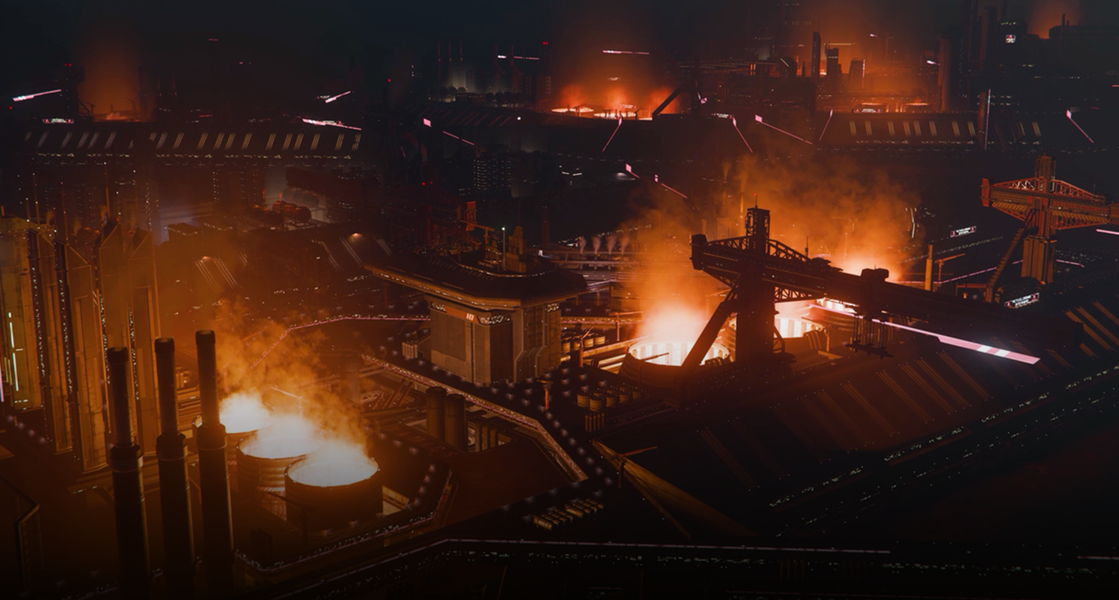 Inside Star Citizen - Roberts Space Industries | Follow the development of Star Citizen and Squadron 42Roberts Space Industries is the official go-to website for all news about Star Citizen and Squadron 42. It also hosts the online store for game items and…robertsspaceindustries.com
 -
Externer Inhalt robertsspaceindustries.comInhalte von externen Seiten werden ohne Ihre Zustimmung nicht automatisch geladen und angezeigt.
Galactapedia Update April 2023
Externer Inhalt robertsspaceindustries.comInhalte von externen Seiten werden ohne Ihre Zustimmung nicht automatisch geladen und angezeigt.THE ARK, TAYAC SYSTEM
Welcome to this month’s Galactapedia update roundup. This month, we do a deep dive on the midas fish, visit the Kallis system, take a look at the Talon, Talon Shrike, Corsair, Valkyrie, and Lynx, visit the University of Rhetor, and meet Ellroy Cass. Join the Spectrum thread for any discussion or feedback.
Full-Length Article:
- Midas fish – Elevate your fish tank with a hint of gold.
Short Articles:
- Kallis system – A developing system.
- Kallis I – Potentially in danger.
- Kallis belt alpha – Extra fast asteroids
- Kallis II – Growing large.
- Kallis III – Growing larger.
- Kallis IV – Adolescent Earth?
- Kallis belt beta – Planetary remnants?
- Kallis V – May one day have moons.
- Kallis VI – Not carbon neutral.
- Kallis VII – A young gas giant.
- Kallis VIII – A young ice giant.
- Kallis IX – Not a giant at all.
- OB Station Gryphon – A visitor’s first stop (or else).
- University of Rhetor – Has a strong sataball rivalry with the University of Persei.
- Valkyrie – Soldier transporter.
- Talon – Recreation of a historic Tevarin fighter.
- Talon Shrike – Recreation of another historic Tevarin fighter.
- Lynx – Luxury rover.
- Corsair – Not intentionally made for pirates.
- Ellroy Cass – Celebrity mess.
 Galactapedia Update April 2023 - Roberts Space Industries | Follow the development of Star Citizen and Squadron 42Roberts Space Industries is the official go-to website for all news about Star Citizen and Squadron 42. It also hosts the online store for game items and…robertsspaceindustries.com
 -
Alles anzeigenExterner Inhalt robertsspaceindustries.comInhalte von externen Seiten werden ohne Ihre Zustimmung nicht automatisch geladen und angezeigt.
Happy Monday, everyone!
Last week, Star Citizen Alpha 3.18.2 hit the Live servers, and brought with it a myriad of bug fixes and stability improvements. The XenoThreat have returned and are terrorizing Stanton, and we're seeing more of you than ever before joining forces with the Civilian Defense Force (CDF) to defend the system.
Despite anticipating some turbulence during its initial release, we've always recognized the importance of Persistent Entity Streaming (PES) as the most difficult and complex component of our efforts to enable Server Meshing. The engineering required for PES has been extensive, as it fundamentally alters how we record the state of the Universe and introduces an unprecedented level of persistence that is unmatched by other games.
We'd like to note that we're aware of the various issues that have popped up during XenoThreat, including the interaction delays, causing things like ASOP terminals, restocking, and general interactions not to work properly, as well as issues related to desync. The team is currently collating and analyzing the vast amount of data they have received, thanks to your participation and the tremendous amount of traffic only possible on the live servers. While these issues can be a hindrance in the short-term, they are a necessary and inevitable step in the ongoing process to develop and strengthen our backed for the big milestones ahead. Our team is committed to this, and is very optimistic about the road ahead.Con42: Frankfurt, Germany
Last weekend, the community-organized convention Con42 took place in Frankfurt, Germany. This is the third iteration of this incredibly engaging event which brought together nearly 600 community-members, including many from the team! It was a privilege to attend and meet so many of you in person. We want to give a huge THANK YOU to the organizers who put in a massive amount of hard work to pull off an amazing event!
Now, let's see what's going on this week:
This Tuesday, the Narrative team is back with the monthly Galactapedia update, your vault of knowledge for everything Star Citizen.
Thursday sees the return of Inside Star Citizen, showcasing the latest Lorville magic coming out of our developers in Montreal.
On Friday, we welcome Star Citizen Live to our Twitch channel airing live at 15:00 UTC / 8 am Pacific. Info on guests coming soon!
Furthermore, you'll find our weekly RSI Newsletter directly delivered to your inbox, plus Subscribers can also look forward to Jump Point magazine's April issue.
One of the more exceptional aspects of the Star Citizen community is the limitless talent and creativity that emanate from its members, which often result in some pretty epic community-organized events. This Saturday, we've got not one, but TWO community racing events.
First up, the Crux Cup returns for its annual endurance race, which has been a staple for the community dating back to 2945! The race introduces a 94km track, titled Ahumahi Ring, in Orison, Crusader. The event welcomes any ship and skill level, with a variety of racing classes. Don't miss it!
Next, System 7, which is another spectacular organized by Atmo Esports, kicks off round three of its annual event. After the previous microTech Tundra Dash, the leaderboards have been close! Make sure to tune in to see who will take home the win at the Babbage Bash!
Both events take place this Saturday, so hop into your comfiest chair, crack one open, and get ready for race day!
Have a great week and we'll see you in the 'verse!
Tyler "Zyloh" Witkin
Director of CommunityTHE WEEKLY COMMUNITY CONTENT SCHEDULE
MONDAY, APRIL 24, 2023- This Week in Star Citizen
TUESDAY, APRIL 25, 2023
- Lore - Galactapedia Update
THURSDAY, APRIL 27, 2023
- Inside Star Citizen (youtube.com/c/RobertsSpaceInd)
FRIDAY, APRIL 28, 2023
- Star Citizen Live (twitch.tv/starcitizen)
- Weekly Newsletter
- Jump Point - April 2023 Issue
SATURDAY, APRIL 29, 2023
COMMUNITY MVP: April 24, 2023
We're constantly amazed at the contributions made by the Star Citizen community. Whether it's fan art, a cinematic, YouTube guide, or even a 3D print of your favorite ship, we love it all! Every week, we select one piece of content submitted to the Community Hub and highlight it here. The highlighted content creator will be awarded an MVP badge on Spectrum and be immortalized in our MVP section of the Hub.
Don't forget to submit your content to our Community Hub for the chance to see it here!Smart Phone Wallpapers
Can't get enough of Star Citizen and need to have it with you all the time? We feel you! iNEEDAPEA is at hand with over 35 images cropped to be mobile-phone-screen friendly.
Hop over to the Community Hub and find the perfect background for you.This Week in Star Citizen - Roberts Space Industries | Follow the development of Star Citizen and Squadron 42Roberts Space Industries is the official go-to website for all news about Star Citizen and Squadron 42. It also hosts the online store for game items and…robertsspaceindustries.com -
Star Citizen Live returns! This week we're joined by the Mission Feature Team to answer your questions, followed by a tech discussion with Technical Director of UI Technology.
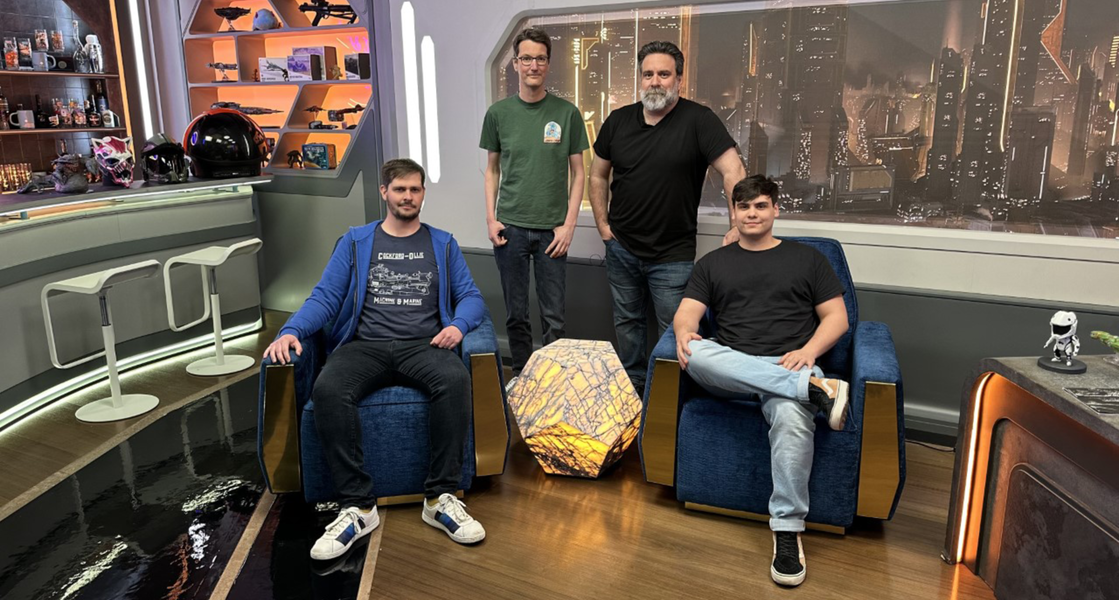 Star Citizen Live - Roberts Space Industries | Follow the development of Star Citizen and Squadron 42Roberts Space Industries is the official go-to website for all news about Star Citizen and Squadron 42. It also hosts the online store for game items and…robertsspaceindustries.com
 -
Alles anzeigen
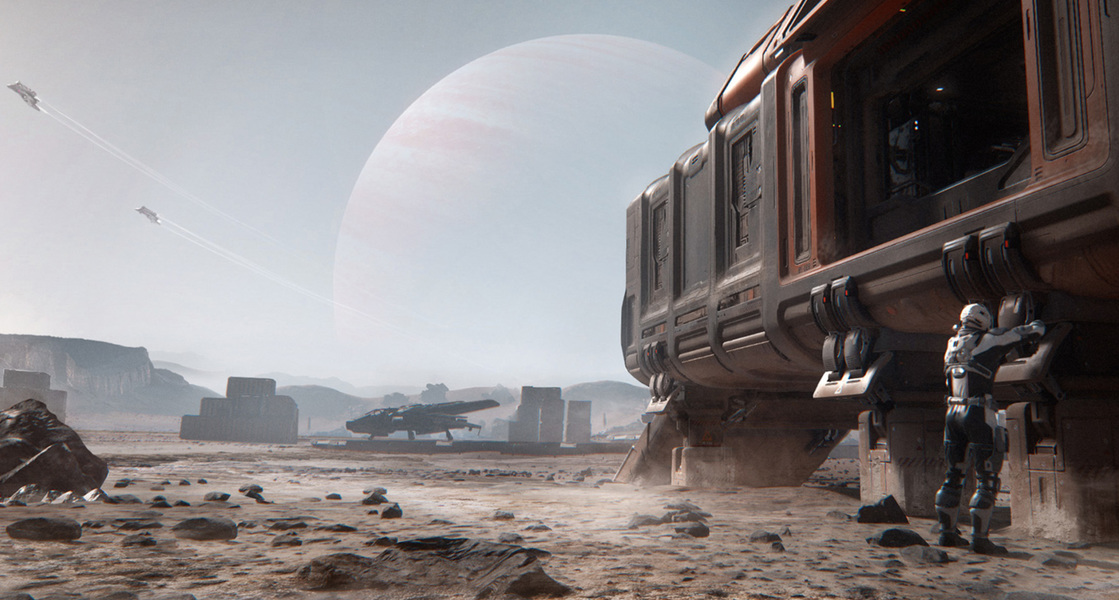
A threat to the Stanton system has returned in Star Citizen Alpha 3.18. For those of you who have tangled with XenoThreat before, we commend you, but the battle is not over.
During this Dynamic Event, we need the help of all available local pilots, resupplying a UEE Navy flagship while defending against enemy attack.
This most recent iteration of the Assault on Stanton event offers an improved flow for veterans and newcomers alike, with increased server capacity and PES allowing for a truly scaled-up experience. Read on for the mission briefing, check back regularly for updates on the event's state, and be sure to gear up for battle.
NEW TO THE 'VERSE?
A HELPING HAND
New to Star Citizen? Don't worry, we've got you covered! Head over to the New Player Guide and get acquainted with the 'verse, learn how to become an ace pilot, and help defend the people of Stanton!
You can also explore our vast collection of FAQs, watch the best community-made tutorials, and even get in touch with a veteran player for one-on-one guidance. What are you waiting for? The 'verse awaits you!
Externer Inhalt robertsspaceindustries.comInhalte von externen Seiten werden ohne Ihre Zustimmung nicht automatisch geladen und angezeigt.Rowena Dulli
Special Agent in Charge
CDF Coordinator - Stanton SystemBorn and raised in Orison, Crusader, SAIC Rowena Dulli served with distinction in the UEE Navy as a logistics officer until she was recruited by the Marines, where she served another tour. Since joining the Advocacy, she has quickly risen through the ranks as a proven investigator and field agent.
She volunteered to take over as Advocacy attaché to the CDF in 2948 and believes that the CDF is a vital part of the Empire and is proud to assist in its efforts.
An outlaw group known as XenoThreat has launched a campaign of violence in the Stanton system and the Navy has requested civilian support to help combat the scourge. Preaching a viciously anti-UEE and xenophobic rhetoric, XenoThreat forces have been responsible for dozens of attacks against civilian and corporate structures.
Any and all volunteers who wish to combat this invasion should contact Rowena Dulli, Advocacy attaché to the CDF, through their Contract Manager in their mobiGlas for details.
Phase 1
Incoming Threat
Outlaw forces identified as XenoThreat recently attacked a corporate convoy headed for the Terra system. They destroyed all the cargo and publicly executed the crew as "collaborators of corporate greed."
The UEE Navy has dispatched an armed response to deal with this threat. Navy intelligence reports have also picked up additional XenoThreat hostiles on the periphery of the system, with an indeterminate force on an intercept course for Stanton.
The Civilian Defense Force (CDF) has been raised to provide support for Naval forces against this imminent threat. If you would like to volunteer, please monitor your mobiGlas Contract Manager for briefing when it becomes available.
Phase 2
TURN THE TIDE
The CDF requests all active members and prospective volunteers provide support in the ongoing operations against XenoThreat.
The Navy’s prime flagship, the Aegis Javelin destroyer UEES War Hammer, is being restocked at INS-Jericho. Unfortunately, XenoThreat has been intercepting and destroying supply convoys, so the Navy is requesting CDF assistance in retrieving the scattered cargo and delivering it to Jericho station. XenoThreat forces are still at large, so combat support is also needed.
The UEE Navy and local CDF are planning to engage XenoThreat forces as soon as the War Hammer is restocked and need any and all assistance to help quell this threat.
XenoThreat has deployed capital-class ships along with a complement of fighter escorts in an effort to destabilize the system. Anyone with a combat vessel and appropriate training is urged to take up the fight.
Consult the Contract Manager in your mobiGlas for details.
Mission Complete
THREAT AVERTED
Attention, the outlaw group known as XenoThreat has been successfully driven from Stanton. Their forces were seen retreating to the Pyro system after a decisive defeat at the hands of the UEEN and CDF.
We at the CDF would like to join the Navy in extending our heartfelt thanks for the enduring efforts of all our volunteers during this crisis.
Although residents are urged to exercise caution, the local governments of the Stanton system have eased some of the lockdown restrictions on travel.
Gear Up Against Xenothreat
RSI Store promotion. Visit robertsspaceindustries.com/comm-link for details.
Ship Packs
XenoThreat won’t hold back, so why should you? Gear up with these curated packs and take on the biggest threats to the ‘verse .
Visit robertsspaceindustries.com/comm-link for details.
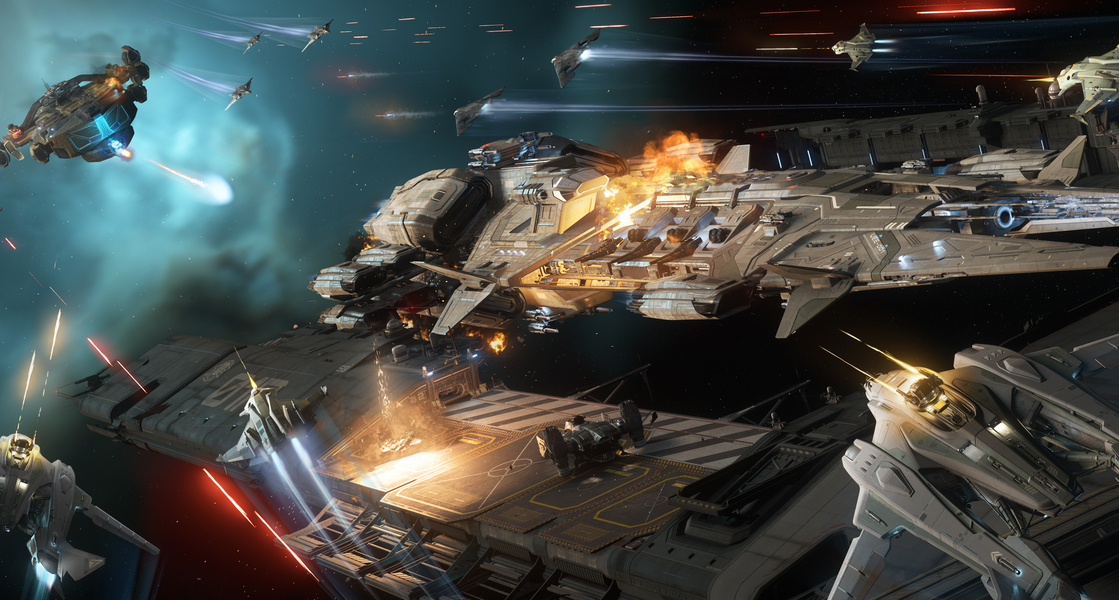 Xenothreat Returns - Roberts Space Industries | Follow the development of Star Citizen and Squadron 42Roberts Space Industries is the official go-to website for all news about Star Citizen and Squadron 42. It also hosts the online store for game items and…robertsspaceindustries.com
 -
The team is investigating a performance degradation on the backend infrastructure.
[2023-04-21 Updates]
0140 UTC - Initial update, investigation ongoing.
0219 UTC - A Server-side hotfix is being deployed. Will continue to monitor.
-
🚀 We have deployed Star Citizen Alpha 3.18.2-live.8440578 at 0034 UTC.
Players currently in 3.18.1 will be disconnected in ~60 Minutes.
-
Alles anzeigen
Happy Wednesday, everyone!
Every two weeks, we accompany the Roadmap update with a brief explanatory note to give you insight into the decision-making that led to any changes. This is part of an effort to make our communications more transparent, more specific, and more insightful for all of you who help to make Star Citizen and Squadron 42 possible.
With that said, let’s go ahead and dive into this week’s Roadmap Roundup!
-CIG Community Team
Notable Changes for April 19, 2023
Progress Tracker
With this update, we're adding the majority of the Q2 2023 schedule for downstream teams, with additional teams coming in a subsequent publish.
The following deliverables have been added to Progress Tracker:
Headhunters Faction Outfits
Developing multiple outfit variants for the Pyro gang, the Headhunters. This deliverable has been added to the SC Character Art Team's schedule.
Rough and Ready Faction Outfits
Developing multiple outfit variants for the Pyro gang, Rough and Ready. This deliverable has been added to the SC Character Art Team's schedule.
New Missions - Mining Resource Rush
Various large clusters of asteroids around Stanton are being sold off by several organizations. For a fee, civilians are given access to these spatial mining claims and allowed to mine until the cluster is depleted, drawing many mining crews, and occasionally pirates, to these hotspots. This deliverable has been added to the Mission Feature Team's schedule.
New Missions - Package Extraction
A new multiplayer mission where players will work together to recover stolen prototype ship components. Crusader Security tasks players with extracting these highly-classified components from the Nine Tails transport ships before they can escape off-world. This deliverable has been added to the Mission Feature and Narrative Teams' schedules.
New Missions - Data Download
These missions task players with infiltrating ships defended by hostile NPCs to hack terminals, with both lawful and unlawful mission types. This deliverable has been added to the Mission Feature, Narrative, and VFX Teams' schedules.
That's all for this week! Join the discussion on Spectrum, and check out the Roadmap Companion Guide for more information on the Star Citizen Public Roadmap.
Roadmap Roundup - April 19, 2023 - Roberts Space Industries | Follow the development of Star Citizen and Squadron 42Roberts Space Industries is the official go-to website for all news about Star Citizen and Squadron 42. It also hosts the online store for game items and…robertsspaceindustries.com -
Alles anzeigenExterner Inhalt robertsspaceindustries.comInhalte von externen Seiten werden ohne Ihre Zustimmung nicht automatisch geladen und angezeigt.
Happy Monday, everyone!
Thanks to everyone who jumped into the PTU over the weekend to give 3.18.2 a whirl; we look forward to rolling this out to the Live PU very soon.
For those of you who might have missed it, the Free Fly is in full swing through April 20. Star Citizen is completely free to download and play, so invite a friend to join your adventures in the 'verse – but don’t forget about the referral bonus. Recruiting a friend will grant you both a Kruger P-52 Merlin for free! Check out the Free Fly Referral Bonus comm-link for details.
Lastly, 'tis the season for Bar Citizens, as we see events popping up all around the world. If you're looking to hang out with other Star Citizen enthusiasts in the flesh, you can check out Barcitizen.sc for a shindig near you. Also, if you're hosting an event, don't forget to let us know, and maybe your event will make it as a stop on our Bar Citizen World Tour 2023 (like Sacramento, California, which we just added)!
Lastly, rumor has it that the return of XenoThreat is imminent... be on high alert. o7Now, let's see what's going on this week:
Wednesday brings about the Roadmap Update and the complementary Roadmap Roundup.
There will be no Inside Star Citizen this Thursday, but we'll return with the behind-the-scenes deep dives you love next week!
On Friday, Elliot Maltby and the Mission Feature team will be back on Star Citizen Live to answer questions from the community. Catch the Q&A live on Twitch at 15:00 UTC / 8 am Pacific. You'll also see our weekly newsletter delivered to your inbox.
Have a fantastic week, and see you in the 'verse!
Freyja Vanadis
Associate Community ManagerTHE WEEKLY COMMUNITY CONTENT SCHEDULE
MONDAY, APRIL 17, 2023
- This Week in Star Citizen
WEDNESDAY, APRIL 19, 2023
- Roadmap Update
- Roadmap Roundup
FRIDAY, APRIL 21, 2023
- Star Citizen Live - 15:00 UTC / 8:00 am Pacific (twitch.tv/starcitizen)
- Weekly Newsletter
COMMUNITY MVP: April 17, 2023
We're constantly amazed at the contributions made by the Star Citizen community. Whether it's fan art, a cinematic, YouTube guide, or even a 3D print of your favorite ship, we love it all! Every week, we select one piece of content submitted to the Community Hub and highlight it here. The highlighted content creator will be awarded an MVP badge on Spectrum and be immortalized in our MVP section of the Hub.
Don't forget to submit your content to our Community Hub for the chance to see it here!Star Citizen Tips - How To Create Video Part.1
Whether you're new to creating videos or are just looking for new insights to up your content creation game, NotGemini has a couple of handy tips and tricks to help you on your way. If you've always been interested in creating in-game trailers, machinimas or just impactful screenshots, this is definitely for you!
Pull up a chair and watch the full video on the Community Hub.
This Week in Star Citizen - Roberts Space Industries | Follow the development of Star Citizen and Squadron 42Roberts Space Industries is the official go-to website for all news about Star Citizen and Squadron 42. It also hosts the online store for game items and…robertsspaceindustries.com