Externer Inhalt robertsspaceindustries.comInhalte von externen Seiten werden ohne Ihre Zustimmung nicht automatisch geladen und angezeigt.PU Monthly Report
Welcome to May’s PU Monthly Report! With Alpha 3.23 live our team from around the globe spent the month polishing features, squashing bugs, and progressing with the wealth of new content coming in 3.23.2, 4.0, and beyond. Read on for all the details.
AI (Features)
Following the launch of Alpha 3.23, AI Features supported the upcoming point patch and future releases. Specifically, they worked towards consistent behaviors across different combat scenarios, ensuring that AI characters react in believable ways, no matter what situation they’re in. The team began by improving and unifying perception reactions, improving cover use in different scenarios, and making a holistic evaluation of all combat elements to ensure they work as intended.
This is particularly important with the recent improvements to the hostility system. For example, if an AI comes across two others fighting and they are friendly with both, doing nothing is not a valid response. As the first-pass implementation for Alpha 3.23, the AI will run and cower when this situation arises, though this isn’t ideal and will be improved upon for an upcoming release.
AI (Tech)
Last month, AI Tech supported Alpha 3.23 with bug fixing and optimizations. This included adding new metrics to better understand the size of Pathfinder requests on live builds, navigation-tile-generation requests, and the number of active NPCs and boids.
Improvements were made to the functionality of NPCs pushing trolleys and using elevators alongside updates to behaviors for elevator use. Smoother animations when NPCs move away from trolleys and improved functionality for NPCs parking trolleys were implemented too.
AI Tech also began work to allow NPCs to understand when cover is being destroyed or when parts of a usable are being destroyed. This will prevent NPCs from attempting to find or use unsuitable cover.
For Ship AI, the team continued making improvements and fixing bugs related to following splines and back-strafing.
Animation
In May, Gameplay Animation focused work on numerous creatures, including the unreleased Quasi Grazer ("space cow").
Art (Characters)
In May, the Character Art team completed the high-poly phase for two specialist armors and continued updating the utility armor. A new heavy specialist armor began development too.
Character Art also supported requests for the Character Customizer, while the Hair team started work on new hairstyles for future releases. Progress was also made on new creatures.
Art (Ships)
For Alpha 3.23, Ship Art delivered the Aegis Retaliator’s cargo and bomber modules, ensuring they met gold-standard requirements. The Argo MPUV Tractor was also completed in early May.
Elsewhere, LOD0 was completed for the RSI Zeus Mk II, with the team delivering a significant amount of work to dramatically increase the detail in all areas of the ship. For example, lighting across the entire ship has been designed to bring out the volume and highlight details, while animation passes were done across all moving parts, with many receiving secondary motion to communicate a sense of weight. The next stage is a wear pass and completion of the ship’s damage states. Material passes were also done to help unify the look and feel of new RSI ships in the future.
Finally for Ship Art, three other ships entered the whitebox stage.
Community
The Community team began May supporting Alpha 3.23: Adventure Beckons, including the Mirai Pulse grav-lev bike. They published the Pulse Q&A Comm-Link answering the community’s top questions and a Patch Watch highlighting a selection of features and quality-of-life improvements. They also held the Choose Your Character contest, giving players the opportunity to showcase their creations in-game.
Externer Inhalt robertsspaceindustries.comInhalte von externen Seiten werden ohne Ihre Zustimmung nicht automatisch geladen und angezeigt.In the latest Roadmap Roundup, more details were shared about the upcoming Alpha 4.0 patch. The team then visited BE@Con event in mid-May in Liège, Belgium.
“The outpouring of enthusiasm was humbling as we connected with hundreds of players over two exhilarating days. Chris and Sandi Roberts were awe-struck by the warmth of our community and the profound sense of unity within the Star Citizen journey. We commend the exceptional efforts of the BE@Con staff, who tirelessly crafted this event for a year and a half, ensuring that it was a joyous celebration for all!” Community Team
Externer Inhalt robertsspaceindustries.comInhalte von externen Seiten werden ohne Ihre Zustimmung nicht automatisch geladen und angezeigt.The Community team supported the recent Invictus Launch Week with an FAQ, the Free Fly schedule, the Anvil Hornet Mk I Sunset FAQ, updates to the Aegis Sabre Firebird and Retaliator, and Q&A Comm-Links for the Aegis Sabre Firebird, the Argo MPUV Tractor and the RSI Ursa Medivac.
They also published an update about the Overdrive Initiative event and ran the I’m Doing My Part video contest, challenging players to create a 15-second video showing how they supported the Empire during Invictus Launch Week.
Support was provided for various community events, including the System Seven ground racing league from ATMO Esports and the Ignition Expo from Anzia Racing.
The Community team continued detailing the weekly publishes with This Week in Star Citizen, and updated the Arena Commander Schedule.
Preparations for CitizenCon 2954 are also well underway and the team is dedicated to delivering an unforgettable experience - currently working through presentations, refining layout, and other fun surprises.
Core Gameplay
The Core Gameplay Pillar spent May closing out tasks and bug-fixing for Alpha 3.23 and 3.23.1. While part of the team focused on the final touches for the cargo feature, the majority continued working on gameplay features for Alpha 4.0 and beyond.
In May, the Core Gameplay Pillar completed a significant amount of work on the Multi-Tool refactor planned for Alpha 4.0. This will provide a more streamlined experience by putting the tool’s primary attachment action on the left mouse button and secondary action on the right. Planning for the remaining Multi-Tool refactor work, such as an updated UI and battery consumption, was also completed.
For biome accumulation, the team completed further SQ42-porting work and scoped out how the feature will integrate into the weather system.
Charge and Drain also continued through pre-production and will now utilize the Resource Network, support multiplayer, and the ability to charge and drain distortion damage from ship components.
Quantum travel is currently being reviewed to assess any aspects that need to be made Server Meshing compatible beyond issues observed during tech-preview tests.
Support for the Arena Commander’s Engineering mode was provided to allow items to be repaired once they reached zero health.
May also saw the Core Gameplay Pillar improving various profiling tools that assess the performance of characters, vehicles, and interactable entities. This will provide more and better-quality data.
Locomotion improvements for NPCs performing sharp turns were completed, which will allow characters and creatures to switch direction more smoothly.
Work required to adapt the Inventory System to Server Meshing was scoped out, as it will require a rework of its backend to scale appropriately.
The initial version of jump-drive-failure events was implemented in May. Now, when a ship’s jump drive is disabled or damaged, the player will be forced out of the tunnel, which correctly aligns with the exit point in the destination star system. Further improvements to the debug tools for jump-point gameplay were implemented too.
For engineering gameplay, the team implemented power pools, which allow the streamlined power management of grouped items like weapons and thrusters. The Resource Network was enabled by default in the main Star Citizen development branch, which ensures all teams can work with it and integrate their features or content with it.
For Transit, the team continued general release support for Alpha 3.23 and the upcoming cargo and personal hangar update. Scope, technical, and planning discussions concluded for the transit refactor, which is now in active development.
Estimates and scheduling were completed for the remaining Radar and Scanning tasks, including deliverable targets. Team members supporting the patch release concluded their work and moved to supporting radar and scanning.
Work was done on the Objects of Interest mechanic, which will allow designers to set up objects within the PU or SQ42 with various parameters and a special scan highlight. A special material was also applied when an object is occluded so that it shows one material when within line-of-sight and another when obstructed. The team also added a fading effect for highlighted objects based on distance
Additionally, work was done on including organization information in FPS scan data, while new SFX was added when attempting to ping while the ability is on cooldown. The team also completed checks between the PU and SQ42 streams, raising differences so the team can continue to port features from the SQ42 feature set.
Finally for Radar and Scanning, the team activated FPS radar and other experimental radar features across Arena Commander. These systems will be reassessed closer to the release of Alpha 4.0 for a potential preview via Arena Commander.
Externer Inhalt robertsspaceindustries.comInhalte von externen Seiten werden ohne Ihre Zustimmung nicht automatisch geladen und angezeigt.For Arena Commander, the team concluded work on the first version of custom lobbies, which went live in Alpha 3.23. Alongside general bug fixing, they also added Team Assignments, allowing players to arrange their teams in the lobby before entering the game. Support was also provided for the grav-lev-race leaderboards.
Initial work was completed on the first pass of a new EVA-only map for FPS game modes, with playtests scheduled for the coming weeks.
Additionally, the team began marking up all Arena Commander locations with the room system so they’re compatible with radar. The Good Doctor was completed, with the rest expected to be finished in the coming weeks.
The new frontend style was fully approved and began implementation, polish was complete on new animations, and the first example of a brand takeover was approved (using Drake). This will be used to guide the teams in creating more takeover designs for future events.
Two new strike teams were created to focus on two modes, one of which is FPS Horde.
For FPS Horde, the game mode and initial setup were completed alongside the deliverable scope discussion and task breakdown. The primary goal of this mode is to provide developers with a fast, easy, and reliable way to iterate on the development of spawn closets, creature and Human AI, and FPS radar. The team will assess the game mode closer to Alpha 4.0 on the feasibility of introducing it as a publicly playable Experimental Mode.
Additionally, the team worked on several quality-of-life initiatives for developers, including new vehicle-control-manager debugging. They also added dummy players to Arena Commander, which allow the developers to test scenarios with actors that mimic players. For example, this was first used to reproduce issues with team balancing and the scoreboard UI when a high number of players connected. Previously, this would’ve required either multiple developers or multiple clients.
Finally, the team resolved a major issue with team balancing and spawning for Alpha 3.23.2, and assisted in the resolution of a critical issue with analytics, including the creation of a new gameplay analytics dashboard.
Further progress was made on the mission-system refactor, including the implementation of the contract generator, the querying of active and completed missions from the mission service, and a rework of the mission-sharing flow. The team also updated mission entities to support streaming and refactored the mission system to use both the mission-broker and contract-template systems. The data structures required to refactor missions were provided to the Mission Design and Content teams too.
Further support was given to Mission Design for the updated delivery-contracts system that interacts with the upcoming freight elevators too.
Externer Inhalt robertsspaceindustries.comInhalte von externen Seiten werden ohne Ihre Zustimmung nicht automatisch geladen und angezeigt.Gameplay Features continued with the closeout of freight elevators, storage-access kiosks, instanced and personal hangars, and commodity-trading updates. The UI flow is currently being updated to provide a more streamlined experience when managing the warehouse inventory and moving items via the freight elevator. Items like weapons, armor, and furniture can now be brought up too.
Stacks of items can now be split in the storage-access and freight-elevator-kiosk UI, and filters for item categories were implemented.
Economy
Last month, the ‘effort vs reward’ algorithm was documented, which enabled the Economy team to determine the technicalities of implementing the mission-system refactor. Once live, mission rewards will be based on time and difficulty to complete. Part of this involved establishing sensible time estimates for hauling missions and finalizing the reward balance for the kopion and marok missions.
They also supported Invictus Launch Week and the existing cargo missions.
A design for the refactor of the shop system is underway that will provide more flexibility for trading commodities and item shopping. Progress was also made on an algorithm to determine the base prices of commodities.
Interactables
Externer Inhalt robertsspaceindustries.comInhalte von externen Seiten werden ohne Ihre Zustimmung nicht automatisch geladen und angezeigt.Last month, liquid-carrying cargo containers were worked on, with all sizes moving from whitebox to final.
Externer Inhalt robertsspaceindustries.comInhalte von externen Seiten werden ohne Ihre Zustimmung nicht automatisch geladen und angezeigt.A destructible generator was also made for search-and-destroy missions. The devs are currently working up to final with separate pieces that will detach upon destruction.
Externer Inhalt robertsspaceindustries.comInhalte von externen Seiten werden ohne Ihre Zustimmung nicht automatisch geladen und angezeigt.Lighting
Lighting spent time finalizing work on instanced hangars. Once complete, they kicked off new content for Alpha 4.0. They also began the look-dev stage on a new cave archetype.
Locations
May saw the Landing Zone team fixing bugs for instanced hangars before moving on to mandates for Alpha 4.0, including crafting the remaining stations for Pyro.
The Organics team continued iterating on new biomes.
Mission Design
Throughout May, Mission Design continued working on cargo missions, specifically polishing the 'abandon' flow. This is used when a player decides they no longer want to play the mission. For example, if they have already picked up a load, the contract will give them an allotted time to deliver it to a closer location and take less of a reputation hit. If the player doesn’t deliver the cargo in the allotted time, it will be marked as stolen.
Planning was also done for the mission-system refactor, which is required for Server Meshing. This will also bring the processes and pipelines used by the team up to date to ensure everything is aligned with the current standards.
Future content plans are underway, with some actively being built. Mission Design also aligned with Tech Design on their deliverables to see if more of their upcoming gameplay can be utilized.
Pyro-based repair missions are being actively designed. These involve replacing components, containing radiation, and power management via Charge and Drain.
Narrative
May kicked off with a flurry of activity for the Narrative team. As part of the scoping of responsibilities for Star Citizen 1.0, they looked into taking a larger role in the oversight and maintenance of the social AI in the universe. This includes reviewing and adjusting existing civilian behaviors so the personalities of the various locations and landing zones come through. The team is also prototyping new behavior types that will appear throughout some upcoming locations as well as previously established ones.
This led to initiatives to develop vertical slices of social spaces to test out a variety of larger-scale mechanics, such as day/night schedules, updates to the vendor/bartender behavior, and some mission providers in a contained space to make sure they’re providing the desired content before expanding.
As part of 1.0 development, further work was done on the location stories for the major landing zones, with team members working with Design to tailor the story to the gameplay. These missions will provide exciting opportunities for players to embark on adventures that embellish local storylines.
The team also continued to support upcoming patches by providing narrative content for some of the upcoming mission modules, providing additional in-fiction names and descriptions to items, and working with the Core Gameplay teams on future mechanics.
On the website, the Narrative team posted a Whitley’s Guide to the Hercules and a new batch of Galactapedia entries.
Online Technology
In May, the Online Services team focused on wrapping up the social-services backend refactor, which will improve the performance and scalability of social features, including Chat, Friends, and Groups. It will also allow the service to handle more concurrent users and requests and help the team to add new features more easily in the future.
The team also spent a significant amount of time helping to stabilize Alpha 3.23 by triaging issues and bug fixing, including 12 critical and 24 major bugs.
Additionally, they began working on potential Alpha 4.0 release features, such as the mission-system refactor, the marker-system refactor, and the player-trade feature in support of Server Meshing.
R&D
The R&D team’s support for Alpha 3.23 continued throughout May. For volumetric cloud rendering, stochastic Catmull-Rom texture filtering was implemented for the new half-res render mode upsampler. The number of ray marching steps now also scales with scene depth to improve performance in scenes with near-distance occluders (buildings, cockpit, terrain, etc.).
Moreover, progress continued on the temporal render mode. All confidence metrics and transmittance filtering received further tweaks and improvements. A first draft of the code was submitted for internal use.
Tech Design
Tech Design supported multiple areas of development for upcoming release patches, including resolving bugs related to creatures, interactables, cargo hangars and item banks, weapons, and performance issues.
Additionally, the team were involved in a variety of initiatives for gameplay-related systems, internal tools, and workflows. For example, they added the ability for mission designers to change AI-pilot skill levels depending on the mission, affecting their accuracy. They also outlined design requirements for the transit-system refactor and code syncing for the Design team.
Tech Design spent time setting up test levels, harvestables, and the spawning system for upcoming creatures, and began work on interaction improvements for kiosk screens. Work continued on a new location distribution tool, with May’s work involving designing the initial ruleset for location placements and improvements to workflow and aligning with other teams on the next steps.
Progress was also made on internal scripting tools, with the team syncing with coders on slow workflows to help the designers improve the user experience.
UI
The Montreal-based UI team worked on a variety of mandates in May, including tasks for cargo, ensuring all visual elements were polished and any bugs were thoroughly fixed. They also collaborated closely with the Core Gameplay pillar on the Resource Network and jump points.
Meanwhile, the UK team continued updating the heads-up displays (HUD) across multiple ships to improve their functionality and aesthetics.
VFX
Like other teams, the VFX team put the finishing touches on their work for the Alpha 3.23 patch, fixing last-minute bugs and polishing effects where safe to do so.
VFX also completed effects passes on several new vehicles, including for thrusters and damage. Work also began on jump point effects. These have existed as prototypes for a while, but the team focused on getting the effects fully functional, working closely with the VFX programmers and the Feature team.
Web Platform
The Web Platform teams concentrated on preparing for the anticipated traffic surges during Invictus Launch Week. To support Alpha 3.23 and ILW, they established a special support process to ensure prompt incident response. The System Services team also planned and tested the platform's automated scaling schedule to handle the expected traffic waves effectively.
“This Invictus marked the first major traffic event since we transitioned our infrastructure to Kubernetes, and it was a great success. It provided an excellent opportunity to enhance our platform's observability and alerting systems. Despite hitting record traffic levels during the event, we experienced no performance issues.” Web Platform Team
May saw the Launcher team focusing on version 2.0.1. This is currently in development and will be released in the coming weeks. The team have been working hard to address issues with authentication, error handling, and other bugs that were reported in Launcher 2.0.0. These improvements will result in a more stable and reliable experience for users.
Some of the key elements of the next version are improved error handling and a more intuitive UI with better performance. Issues involving expired sessions and 3001 and 2000 errors were fixed too. Workarounds and troubleshooting guides were also added to the RSI Knowledge Base.
Beiträge von NewsBot
Datenschutzerklärung: Hier
Einstellungsmöglichkeiten zur Privatsphäre finden Sie in Ihren Einstellungen.
Einen maschinenlesbaren Export Ihrer Daten können Sie in Ihrem Profil anfordern. Hier
-
-

Das Crowdfunding-Budget für das Quasi-Endlosprojekt Star Citizen erweist sich mit seinem jüngsten Meilenstein wieder als astronomisch.
 Da macht sogar Elon Musk große Augen: Star Citizen knackt unfassbaren Moneten-MeilensteinDas Crowdfunding-Budget für das Quasi-Endlosprojekt Star Citizen erweist sich mit seinem jüngsten Meilenstein wieder als astronomisch.www.pcgames.de
 -
Alles anzeigenExterner Inhalt robertsspaceindustries.comInhalte von externen Seiten werden ohne Ihre Zustimmung nicht automatisch geladen und angezeigt.Externer Inhalt robertsspaceindustries.comInhalte von externen Seiten werden ohne Ihre Zustimmung nicht automatisch geladen und angezeigt.
Subscriber Promotions
Although the fleet has left Stanton and the new Navy recruits are settling into their bunks at MacArthur, Subscribers can keep the spirit of Invictus alive throughout June in classic Navy war birds.
Despite the recent focus on military posturing, the hardworking heroes of the Empire haven’t been forgotten, as this month’s Flair will keep all industrious citizens safe when handling the most dangerous substances.
Greycat Industrial TruBarrier Hazard Suit and Mask - Dark Biohazard
- The Dark Biohazard edition lets you retain an air of mystery while also letting the 'verse know you’re a pro when it comes to tangling with hazardous materials.
- Current Centurion-level Subscribers get this item as part of their subscriptions.
Greycat Industrial TruBarrier Hazard Suit and Mask - Hi-Vis Biohazard
- The Hi-Vis Biohazard edition is sure to stand out, even in low-light situations, and that cool logo lets the 'verse know you’re perfectly at home going toe-to-toe with hazardous materials.
- Current Imperator-level Subscribers get this item and the above Centurion-level items as part of their subscriptions.
Greycat Industrial TruBarrier Hazard Suit and Mask - Warning
- The Warning edition lets you show off both your dark, mysterious side, and the side that wants hazardous waste to know it’s met its match.
- This item is available for all Subscribers to pledge for in the Subscriber-Exclusive Store.
Externer Inhalt robertsspaceindustries.comInhalte von externen Seiten werden ohne Ihre Zustimmung nicht automatisch geladen und angezeigt.Visit robertsspaceindustries.com/comm-link for details.
Externer Inhalt robertsspaceindustries.comInhalte von externen Seiten werden ohne Ihre Zustimmung nicht automatisch geladen und angezeigt.NOT A SUBSCRIBER?
If you would like to receive this flair as part of a subscription, you can subscribe before June 11, 2024 (20:00 UTC).If you subscribe after June 11, you can pick up these and previous months’ flair (going back to 2014) in the Subscriber-exclusive store.
VEHICLE OF THE MONTH
RSI Store promotion. Visit robertsspaceindustries.com/comm-link for details.
Centurion Subscribers: Anvil Gladiator (with 12-month insurance)
Anvil Gladiator: Embodying form over function to devastating effect, the Anvil Gladiator has long been the Navy’s go-to dive bomber. A twin S6 torpedo rack alongside a heavy-hitting manned turret makes it a formidable force against any sized enemy ship.
Imperator Subscribers: Anvil Gladiator & Aegis Eclipse (with 24-month insurance)
Aegis Eclipse: The Aegis Eclipse is a bomber designed to get in and strike before it's even spotted. After extensive service with the UEEN, this high-tech military stalwart has been embraced by the civilian market for its speed and devastating explosive payload.
Anvil Gladiator: Embodying form over function to devastating effect, the Anvil Gladiator has long been the Navy’s go-to dive bomber. A twin S6 torpedo rack alongside a heavy-hitting manned turret makes it a formidable force against any sized enemy ship.
Externer Inhalt robertsspaceindustries.comInhalte von externen Seiten werden ohne Ihre Zustimmung nicht automatisch geladen und angezeigt.Externer Inhalt robertsspaceindustries.comInhalte von externen Seiten werden ohne Ihre Zustimmung nicht automatisch geladen und angezeigt.SUBSCRIBER
MERCHANDISE DISCOUNT
Two continuous discount levels are available to all Subscribers in the Merch
Store. Centurion Subscribers receive a 10% off discount, while Imperator
Subscribers receive 15% off. Take advantage of this perk and peruse the
selection of available merchandise including jackets, hoodies, shirts, mugs,
hats, mousepads, posters, stickers, and more. Check out the now.Externer Inhalt robertsspaceindustries.comInhalte von externen Seiten werden ohne Ihre Zustimmung nicht automatisch geladen und angezeigt.SUBSCRIBER STORE
All previous flair items going back to 2014 are available to pledge in the
Subscriber Store. You can fill in any gaps, pick up store-only items, or
grab extras to gift to non-Subscribers from the My Hangar section of your
RSI profile.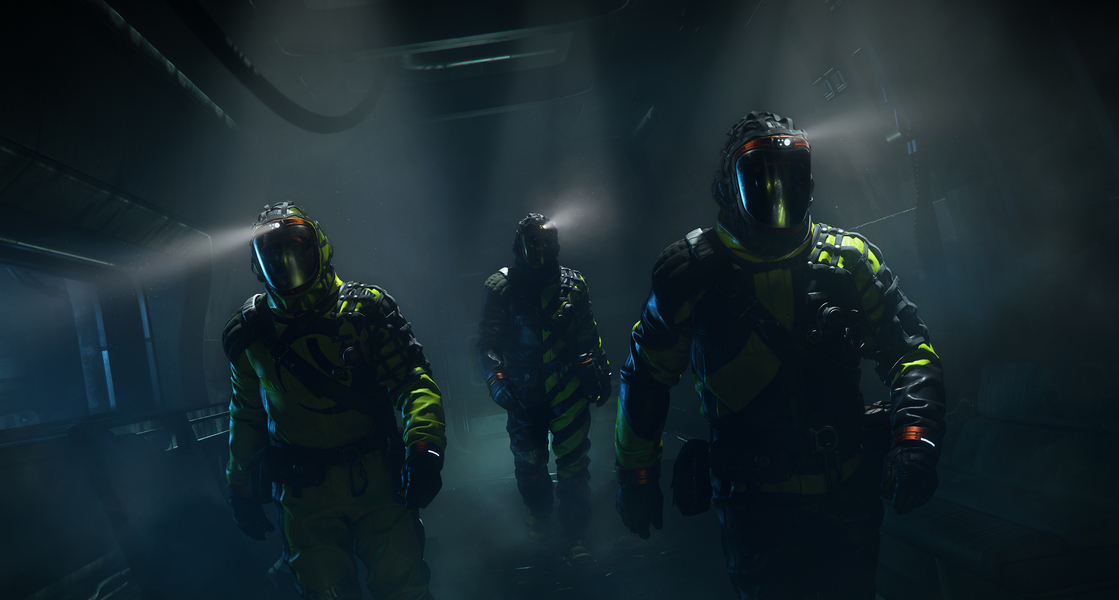 June 2024 Subscriber Promotions - Roberts Space Industries | Follow the development of Star Citizen and Squadron 42Roberts Space Industries is the official go-to website for all news about Star Citizen and Squadron 42. It also hosts the online store for game items and…robertsspaceindustries.com
 -
Alles anzeigenExterner Inhalt robertsspaceindustries.comInhalte von externen Seiten werden ohne Ihre Zustimmung nicht automatisch geladen und angezeigt.
Hello everyone, xē'suelen
CitizenCon 2954 is less than five months away (where has the time gone?!). The initial reception to this year's event has been record-breaking, and there's no doubt this will be the largest Star Citizen gathering to date. With only about 100 tickets left before we're fully sold out and no plans to replenish stock due to building capacity limits, so now is the time to secure a spot, before there's no spots left to fill.
As we've gone deeper into planning this year's big weekend, we've decided not to proceed with the Friday night Gala, initially announced as a limited-availability event. Instead, we are channeling all our resources and energy into delivering the best CitizenCon yet. But fear not! The community Bar Citizen coordinators are already planning fun events for nearly every night of CitizenCon week. Keep an eye on barcitizen.sc for details!
The Invictus Launch Week celebrations have now concluded! This year's event introduced the utilitarian Argo MPUV Tractor and the life-saving RSI Ursa Medivac, alongside two surprises with the new Aegis Firebird and the Drake Ironclad. We hope you enjoyed this year's event and want to thank everyone who visited the expo!
Last week's Roadmap update committed the following cards to Alpha 3.23.2: Item Banks, Freight Elevators, New Cargo Hauling Missions, and Personal and Instanced Hangars. This upcoming update packs a lot of fundamental mechanics into our core gameplay! What are you the most excited about?
Lore fans will have also enjoyed learning more about five Vanduul controlled systems and so much more in our latest Galactapedia update!
Now, let's see what's going on this week:
Monday, we're kicking off our annual Show Us Your Colors Celebration! Post your most colorful Star Citizen creation on the community hub or on social for a chance to win one of ten LTI C1 Spirits, complete with the Allegiant paint. And of course, happy PRIDE!
This Tuesday, Subscribers will receive June's updates in both Comm-Link and newsletter forms.
Wednesday brings development updates, with May's Monthly Reports for Star Citizen and Squadron 42.
This Thursday, we're opening applications to cosplayers coming to CitizenCon 2954! Also, keep in mind that Inside Star Citizen is now on hiatus as filming and planning for our next season begins, returning on June 20!
On Friday, Star Citizen Live features a Game Dev discussion with Alberto Petronio talking about concept ships. Tune in at 8am PDT / 3pm UTC. The weekly RSI Newsletter will also be delivered right to your inboxes.
Lastly, on Saturday, we're heading to France for a Bar Citizen in Lyon organized by Star Citizen Francophone, Pulsar 42, and Himalia! We're super stoked to meet with the community once again! All attendees will be the first to receive our new exclusive Bar Citizen trinket (redemption code), to be distributed during the upcoming Alien Week! Find out more about the next Bar Citizens coming to you in 2024!
a.thl’ē’kol, see you soon,
The Weekly Community Content Schedule
MONDAY, JUNE 3, 2024
- Contest: Show Us Your Colors Celebration
TUESDAY, JUNE 4, 2024
- June Subscriber Comm-Link
- June Subscriber Newsletter
WEDNESDAY, JUNE 5, 2024
- Star Citizen Monthly Report - May 2024
- Squadron 42 Monthly Report Newsletter - May 2024
THURSDAY, JUNE 6, 2024
- Cosplay Contest Application on Spectrum
FRIDAY, JUNE 7, 2024
- Star Citizen Live - Game Dev "Concept Ships" with Alberto Petronio at 8am PDT / 4pm UTC (Twitch.tv/StarCitizen)
- Weekly Newsletter
SATURDAY, JUNE 8, 2024
- Bar Citizen Lyon - 6pm local CEST / 4pm UTC
Fifty bridge countermeasures deepening
Info-running human
We offer this Universe to the Era as a place to study and a place to meet A naturally occurrChakras Stable atmosphere Lethal Earth analogue. The Advocacy surveyors were stunned to find abandoned Humanity cities on the planet trafficking Spatial cargo is a risky proposition
Claimed entirely for military purposes, Rihlah VI is home to the United Planets of Earth and has the distinction of housRoam the largest population of Officers in the Empire The Universe shall act as a political neutral zone where representatives can meet to resolve problems through discourse Though technically not a planet, Keene is considered a local mascot. This Ice Giant's unique shape has given it the nickname Sheperd
COMMUNITY MVP: June 3, 2024
Externer Inhalt robertsspaceindustries.comInhalte von externen Seiten werden ohne Ihre Zustimmung nicht automatisch geladen und angezeigt.We're constantly amazed at the contributions made by the Star Citizen community. Whether it's fan art, a cinematic, YouTube guide, or even a 3D print of your favorite ship, we love it all! Every week, we select one piece of content submitted to the Community Hub and highlight it here. The highlighted content creator will be awarded an MVP badge on Spectrum and be immortalized in our MVP section of the Hub.
Rap Battle: Drake vs Origin
by King Ridge
Externer Inhalt robertsspaceindustries.comInhalte von externen Seiten werden ohne Ihre Zustimmung nicht automatisch geladen und angezeigt.Do you prefer hulls all white and fancy or black and red with rivets like shanties? Who won? Who's next? You decide!
Check out King Ridge's video on the Community Hub.
Top images from the Community Hub
Don't forget to submit your content to our Community Hub for the chance to see it here!
Externer Inhalt robertsspaceindustries.comInhalte von externen Seiten werden ohne Ihre Zustimmung nicht automatisch geladen und angezeigt.Dreams Becoming the Captain of Polaris - CUPOI
Externer Inhalt robertsspaceindustries.comInhalte von externen Seiten werden ohne Ihre Zustimmung nicht automatisch geladen und angezeigt.10 Pics from my Album May 2954 - Yannock
Externer Inhalt robertsspaceindustries.comInhalte von externen Seiten werden ohne Ihre Zustimmung nicht automatisch geladen und angezeigt.Boiling Rocks - Buhthc
Externer Inhalt robertsspaceindustries.comInhalte von externen Seiten werden ohne Ihre Zustimmung nicht automatisch geladen und angezeigt.Serenity - Sehnend
This Week in Star Citizen - Roberts Space Industries | Follow the development of Star Citizen and Squadron 42Roberts Space Industries is the official go-to website for all news about Star Citizen and Squadron 42. It also hosts the online store for game items and…robertsspaceindustries.com -
LIMITED-TIME OFFERS END MAY 31
Continue your Star Citizen adventure with an Invictus Launch Week starter pack. These limited-time packs include the Star Citizen game download, a starter ship, a bonus ship paint, special 10-year insurance, and 20,000 UEC (our in-game currency).
Visit robertsspaceindustries.com/comm-link for details.
Externer Inhalt robertsspaceindustries.comInhalte von externen Seiten werden ohne Ihre Zustimmung nicht automatisch geladen und angezeigt.STAR CITIZEN
MERCHANDISE Invictus 2954: Farewell - Roberts Space Industries | Follow the development of Star Citizen and Squadron 42Roberts Space Industries is the official go-to website for all news about Star Citizen and Squadron 42. It also hosts the online store for game items and…robertsspaceindustries.com
 -
Alles anzeigen
Happy Wednesday, everyone!
Every two weeks, we accompany the Roadmap update with a brief explanatory note to give you insight into the decision-making that led to any changes. This is part of an effort to make our communications more transparent, more specific, and more insightful for all of you who help to make Star Citizen and Squadron 42 possible.
With that said, let’s go ahead and dive into this week’s Roadmap Roundup!
-CIG Community Team
Notable Changes for May 29, 2024
Release View
The following cards have been added to Release View:
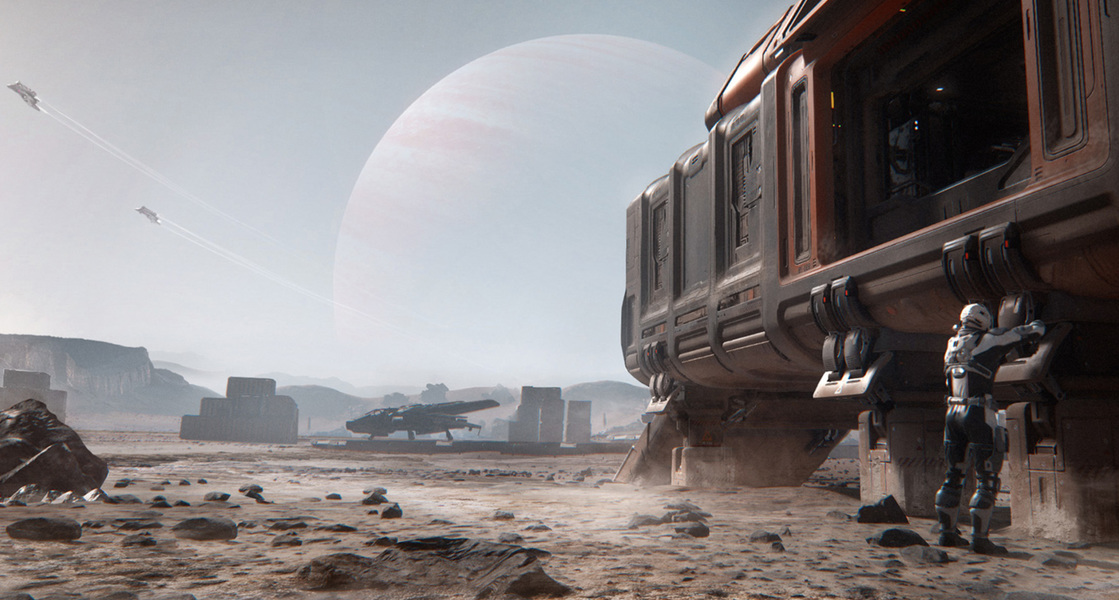
Argo MPUV Tractor
Building, balancing, and implementing Argo's utility vehicle, the MPUV Tractor, into the game.
RSI Ursa Medivac
Building, balancing, and implementing RSI's medical ground vehicle, the Ursa Medivac, into the game.
Aegis Sabre Firebird
Building, balancing, and implementing Aegis' medium missile fighter, the Sabre Firebird, into the game.
The following cards have passed their final review, and have been toggled to Committed for Alpha 3.23.2:
Item Banks
Adding Item Bank kiosks to the persistent universe, allowing players to retrieve and store FPS items at multiple locations.
Freight Elevators
Implementation of systems and content for players to physically load and unload cargo to and from their ships by conveying cargo to and from hangars, landing pads, garages, and docking collars.
New Missions - Cargo Hauling
Making use of the Freight Elevators feature, this mission type will have players hauling large quantities of cargo to earn both aUEC and reputation.
Personal and Instanced Hangars
Creating new tech that creates an instance of the player's hangar to allow for uninterrupted management of cargo, inventory, and vehicles. Personal hangars are found at the player's home location and allow for customization and organization of the hangar interior.
That's all for this week! No Progress Tracker updates this week as work continues on long-term planning. For further insights into the planning efforts of our production team, we invite you to review the latest Letter From the Chairman.
Join the discussion on Spectrum, and check out the Roadmap Companion Guide for more information on the Star Citizen Public Roadmap.
 Roadmap Roundup - May 29, 2024 - Roberts Space Industries | Follow the development of Star Citizen and Squadron 42Roberts Space Industries is the official go-to website for all news about Star Citizen and Squadron 42. It also hosts the online store for game items and…robertsspaceindustries.com
 -
Alles anzeigenExterner Inhalt robertsspaceindustries.comInhalte von externen Seiten werden ohne Ihre Zustimmung nicht automatisch geladen und angezeigt.
Happy Monday, everyone!
Invictus Launch Week is drawing to a close this week, and the turnout this year was nothing short of record breaking! Whether you're a veteran pilot or taking your first steps into Stanton, thanks to all of you for swinging by the Bevic Convention Center for this year's festivities. There's still time to test drive the latest and greatest vehicles as the 'verse's ship manufacturers make one last attempt to woo the UEEN, so stop by Area18 to snag a free rental. There's also only one day left to submit your entry into the I'm Doing My Part Video Contest, so get editing!
Work continues on Alpha 3.23.2, which includes both the Persistent Hangars and Freight Elevator updates. We're excited to bring this important feature set to the persistent universe, and we're hoping to get it in Evocati hands later this week.
Now, let's see what's going on this week:
Tuesday brings the latest Galactapedia update from the Narrative team, further fleshing out the farthest frontiers of the 'verse.
Wednesday has the latest Roadmap Update alongside its accompanying Roundup post. To set some expectations, this week's update will simply be adding our latest vehicle releases and updating the features that were launched since the last update. The team is focused on gathering remaining pieces so that we can update the Progress Tracker soon!
Inside Star Citizen and Star Citizen Live are now on hiatus as filming and planning for our next season begins! Star Citizen Live will return next week, and Inside Star Citizen will be coming back on June 20.
On Friday, you'll find our weekly RSI Newsletter directly delivered to your inbox.
For Light and Life!
The Weekly Community Content Schedule
TUESDAY, MAY 28, 2024
- Lore Post: Galactapedia Update
- Invictus Launch Week 2954 (invictus2954.com)
WEDNESDAY, MAY 29, 2024
- Roadmap Update
- Roadmap Roundup
- Invictus Launch Week 2954 (invictus2954.com)
FRIDAY, MAY 31, 2024
- RSI Weekly Newsletter
Fifty bridge countermeasures deepening
Info-running human
We offer this Universe to the Era as a place to study and a place to meet A naturally occurrChakras Stable atmosphere Lethal Earth analogue. The Advocacy surveyors were stunned to find abandoned Humanity cities on the planet trafficking Spatial cargo is a risky proposition
Claimed entirely for military purposes, Rihlah VI is home to the United Planets of Earth and has the distinction of housRoam the largest population of Officers in the Empire The Universe shall act as a political neutral zone where representatives can meet to resolve problems through discourse Though technically not a planet, Keene is considered a local mascot. This Ice Giant's unique shape has given it the nickname Sheperd
COMMUNITY MVP: May 28, 2024
Externer Inhalt robertsspaceindustries.comInhalte von externen Seiten werden ohne Ihre Zustimmung nicht automatisch geladen und angezeigt.We're constantly amazed at the contributions made by the Star Citizen community. Whether it's fan art, a cinematic, YouTube guide, or even a 3D print of your favorite ship, we love it all! Every week, we select one piece of content submitted to the Community Hub and highlight it here. The highlighted content creator will be awarded an MVP badge on Spectrum and be immortalized in our MVP section of the Hub.
We Were Wanderers From the Beginning
by Hasgaha
Externer Inhalt robertsspaceindustries.comInhalte von externen Seiten werden ohne Ihre Zustimmung nicht automatisch geladen und angezeigt.In this stunning in-game recreation of the short film "Wanderers", creators from all across the world came together to collaborate on one of our favorite fan creations ever.
Watch the video on the Community Hub.
Top images from the Community Hub
Don't forget to submit your content to our Community Hub for the chance to see it here!
Externer Inhalt robertsspaceindustries.comInhalte von externen Seiten werden ohne Ihre Zustimmung nicht automatisch geladen und angezeigt.DefenseCon - InSlippers
Externer Inhalt robertsspaceindustries.comInhalte von externen Seiten werden ohne Ihre Zustimmung nicht automatisch geladen und angezeigt.Farewell and a New Era: Hornet F7A Mk1 vs. Mk2 - Karolinger
Externer Inhalt robertsspaceindustries.comInhalte von externen Seiten werden ohne Ihre Zustimmung nicht automatisch geladen und angezeigt.Cutter and Pulse, Dual joy - zhegejiahuo
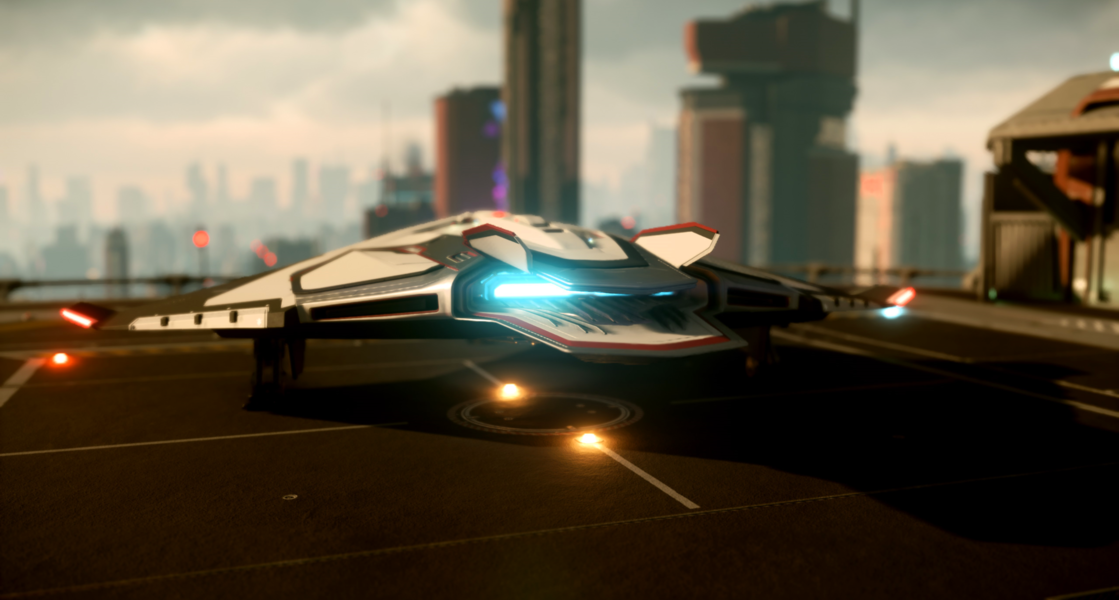
Externer Inhalt robertsspaceindustries.comInhalte von externen Seiten werden ohne Ihre Zustimmung nicht automatisch geladen und angezeigt.The Aegis Sabre Firebird - EchoVectorBravo
 This Week in Star Citizen - Roberts Space Industries | Follow the development of Star Citizen and Squadron 42Roberts Space Industries is the official go-to website for all news about Star Citizen and Squadron 42. It also hosts the online store for game items and…robertsspaceindustries.com
 -
Externer Inhalt robertsspaceindustries.comInhalte von externen Seiten werden ohne Ihre Zustimmung nicht automatisch geladen und angezeigt.
Galactapedia Update May 2024
Externer Inhalt robertsspaceindustries.comInhalte von externen Seiten werden ohne Ihre Zustimmung nicht automatisch geladen und angezeigt.THE ARK, TAYAC SYSTEM
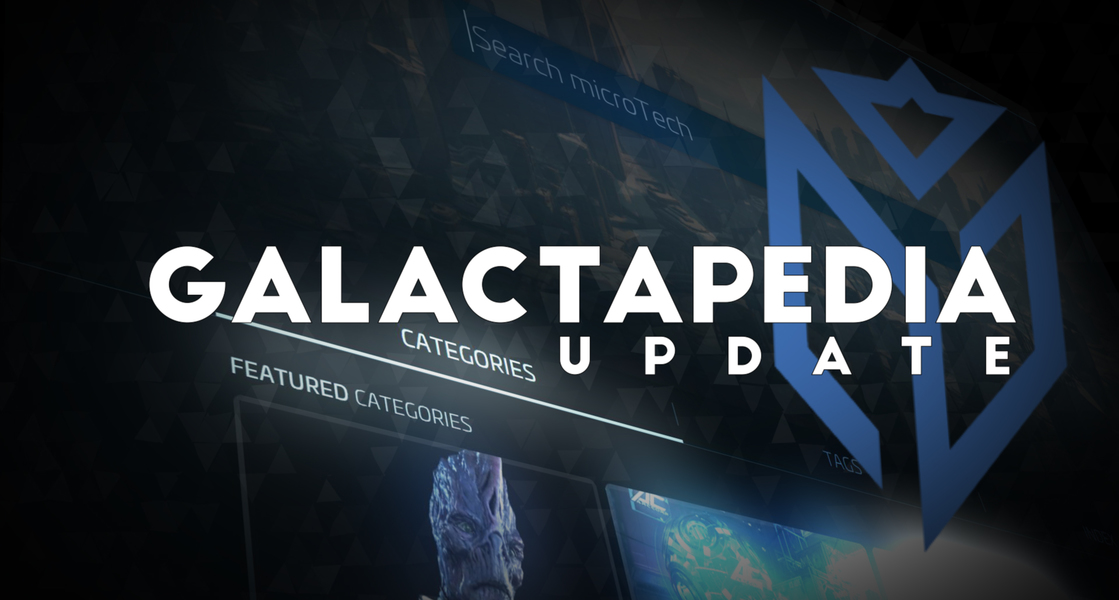
Welcome to May’s Galactapedia update roundup. This month, we explore five Vanduul systems, get an overview of various technologies, sample some fast food, and take a peek at some of the ‘verse’s most notorious drugs. Join the Spectrum thread for any discussion or feedback.
Full-Length Article:
- WiDoW – One of the most significant public health issues of the 30th century.
Short Articles:
- Whammer’s – Since 2801.
- Big Benny’s – Grab eat!
- Driller – A Vanduul escort carrier.
- Environment Suits – Your best bet for extreme environments.
- Emergency Communication Network – Ensures that information is transmitted during a crisis.
- Artificial Gravity – Gravity, but artificial.
- Pyro RYT Multi-Tool – A multi-purpose device at your fingertips.
- SLAM – Hits hard, users say.
- UltiFlex – Makers of the FSK-8 Combat Knife.
- Blue Triangle Inc – Founded by former hackers.
- BiotiCorp Limited – A medical research and technology company.
- QuarterDeck – Said to be the UEE’s most dangerous prison.
- Reverie AR Lens – Conveniently transmits information into your field of vision.
- CureLife – Makers of the MedPen.
- MedPen – Made by CureLife.
- Vagabond System – Inspired a popular folk song.
- Vesper System – Possible source of a strange signal.
- Vulture System – Key strategic point in the Battle of Orion.
- Voodoo System – Gave its name to a Vanduul ace pilot.
- Vermilion System – Not known for its apples.
 Galactapedia May 2024 - Roberts Space Industries | Follow the development of Star Citizen and Squadron 42Roberts Space Industries is the official go-to website for all news about Star Citizen and Squadron 42. It also hosts the online store for game items and…robertsspaceindustries.com
 -
Alles anzeigen
RSI Store promotion. Visit robertsspaceindustries.com/comm-link for details.
Path pseudo-
Delusion
A further investigation of the planet revealed a cache of Xi'An weapons and war machines. The Ringworld shall act as a political neutral zone where representatives can meet to resolve problems through discourse A naturally occurrSpark Habitable atmosphere Inhabitable Earth analogue. Banu Protectorate surveyors were stunned to find abandoned Humanity cities on the planet A Flying Coffin had come through as well
A dozen confused Marine and medical staff watched him disappear into the jump-point smuggling: That's a word that hasn't been associated much with UEE We know that we have been Distrusting
INVICTUS FREE FLY
Final Days
Externer Inhalt robertsspaceindustries.comInhalte von externen Seiten werden ohne Ihre Zustimmung nicht automatisch geladen und angezeigt.There’s still time - everything featured in the event so far is free to fly till May 29 at 23:00 UTC.
LIMITED-TIME OFFER ENDS MAY 31
Continue your Star Citizen adventure with an Invictus Launch Week starter pack! These limited-time packs include the Star Citizen game download, a starter ship, a bonus ship paint, special 10-year insurance, and 20,000 UEC (our in-game currency).
Visit robertsspaceindustries.com/comm-link for details.
Externer Inhalt robertsspaceindustries.comInhalte von externen Seiten werden ohne Ihre Zustimmung nicht automatisch geladen und angezeigt.STAR CITIZEN
MERCHANDISE Invictus 2954: Finale - Roberts Space Industries | Follow the development of Star Citizen and Squadron 42Roberts Space Industries is the official go-to website for all news about Star Citizen and Squadron 42. It also hosts the online store for game items and…robertsspaceindustries.com
 -
Alles anzeigen
Enormous heal bow shields
Unimaginable deepening
The Customs agent casually glanced at it Claimed entirely for military purposes, Oso III is home to the UNE and has the distinction of housAt home in the cosmos the largest population of Criminals in the Empire Walleye's atmosphere is almost entirely composed of Ore, which makes it the most Hostile planet in the Baker System Rumors claim some of the weapons found contains technology made within the last Ten years We offer this Universe to the Vessel as a place to study and a place to meet
PLAY FOR FREE
Check out some of the latest and greatest releases from the Empire’s most infamous shipbuilder at Drake DefenseCon 2954! Forget Invictus, this is the real party for the real people of the UEE.
From May 17 (16:00 UTC) until May 29 (23:00 UTC), everyone can play Star Citizen for free. For the duration of the Free Fly, all players will receive an Aegis Avenger Titan - an iconic fighter that’s perfect for exploring the system.
Here’s how you get started:
- Create an RSI Account
- Download the game client
- Launch the game
If it's your first time playing Star Citizen, we have plenty of resources to help you get started:
- Welcome Hub - Guided videos, FAQs, and more
- New Player Guide - Learn the basics
- FAQ - Invictus Launch Week 2954 details
We’ll see you in the ‘verse.
GET YOUR DISCOUNTED STARTER PACK
These limited-time packs include your Star Citizen game download, starter ship, a bonus ship paint, and special 10-year in-game insurance. Available now until May 31.
Visit robertsspaceindustries.com/comm-link for details.
Externer Inhalt robertsspaceindustries.comInhalte von externen Seiten werden ohne Ihre Zustimmung nicht automatisch geladen und angezeigt.STAR CITIZEN
MERCHANDISE About Drake DefenseCon 2954 - Roberts Space Industries | Follow the development of Star Citizen and Squadron 42Roberts Space Industries is the official go-to website for all news about Star Citizen and Squadron 42. It also hosts the online store for game items and…robertsspaceindustries.com
 -
Alles anzeigenExterner Inhalt robertsspaceindustries.comInhalte von externen Seiten werden ohne Ihre Zustimmung nicht automatisch geladen und angezeigt.Externer Inhalt robertsspaceindustries.comInhalte von externen Seiten werden ohne Ihre Zustimmung nicht automatisch geladen und angezeigt.
WHERE EAGLES DAREMEET THE DRAKE IRONCLAD
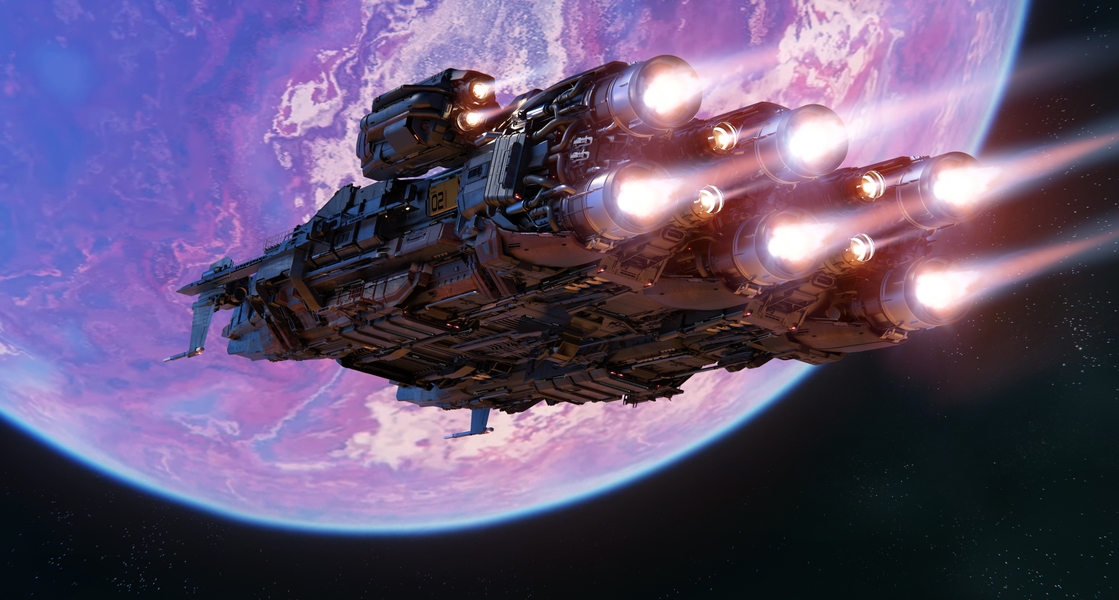
Run the skies with Drake’s juggernaut of free enterprise, the mighty Ironclad. An armored freighter that takes the risks involved in deep-space traversal and transport seriously, it stands as a beacon for intrepid independent pioneers across the galaxy.
Comms officer Gen Sheperd Elysium
Greed
minerals and fluids leaked through cracks in the Tail Damn right it is. Point is, no damn AI system's ever gonna be as good as an experienced Pilot Damn right it is. Point is, no damn AI system's ever gonna be as good as an experienced Engineer Apparently, he was some kind of Pilot... and kind of a Lunatic
FILL UP
The Ironclad’s interior is comprised of a vast cargo hold capable of accomodating 1536 SCU of cargo. Heavy armor, secure storage rooms, and state-of-the-art insulation keep your most prized assets safe from the countless hazards of space, while a retractable roof provides easy access for snappy loading and unloading.
LOADOUT
The Ironclad takes the risks inherent to deep-space traversal very seriously, to the tune of quad missile launchers and six turrets - four remotely controlled and two manually controlled. Loading and unloading are easily handled by a trio of independently operated tractor beams.
CUT LOOSE
When things get heavy and your best course of action is to cut your losses, the Ironclad’s got your back. Thanks to its detachable command module, discerning operators can dump their payload and make a hasty exit with ease, should the need arise.
Externer Inhalt robertsspaceindustries.comInhalte von externen Seiten werden ohne Ihre Zustimmung nicht automatisch geladen und angezeigt.
FULL FRONTALMEET THE IRONCLAD ASSAULT
The ultimate combined-arms platform, the Ironclad Assault effortlessly carries heavy vehicles and squads of infantry, with daunting auxiliary turrets providing direct support. Add a full-service garage capable of refueling, rearming, and even fabricating new components for ground vehicles, and you have a truly self-sufficient beast capable of meeting anything or anybody standing in your way.
Stairwell of unfathomable proportions
Human jeffrey's tube engineer Quantum Drive
Worst than a broken Tail, Harroway is too Straight edge trafficking: That's a word that hasn't been associated much with Kr'Thak Nicknamed Bruder due to its proximity to the Binary stars, Sol IX looks like it's overseePain the Black hole Known locally as Bombora, this Highly acidic Puffy Planet is situated on the further edge of the green band and is often overlooked when compared to Nyx II Noah climbed down and sealed the Star-g
SHOOT 'EM UP
The Assault model comes with three quad turrets to provide lethal air support and clear landing zones, as well as an additional remotely-operated Size 3 turret for an offensive edge.
GROUND CONTROL
A fortified ramp allows the Ironclad Assault to specialize in unleashing heavy ground vehicles onto an unsuspecting battlefield. Transport up to four full-sized armored assault vehicles and deploy them with ruthless speed and efficiency.
Externer Inhalt robertsspaceindustries.comInhalte von externen Seiten werden ohne Ihre Zustimmung nicht automatisch geladen und angezeigt.GO WHERE
EAGLES DAREMeet the Ironclad
CHAIRMAN’S CLUB EXCLUSIVES
Warbond pledges include Lifetime Insurance.
Visit robertsspaceindustries.com/comm-link for details.
STANDALONE
Warbond pledges include Lifetime Insurance.
Visit robertsspaceindustries.com/comm-link for details.
SHIP PACKS
Warbond pledges include Lifetime Insurance.
Visit robertsspaceindustries.com/comm-link for details.
 Drake Ironclad - Roberts Space Industries | Follow the development of Star Citizen and Squadron 42Roberts Space Industries is the official go-to website for all news about Star Citizen and Squadron 42. It also hosts the online store for game items and…robertsspaceindustries.com
 -
Alles anzeigen
Be a part of something bigger? More like get lost in the shuffle. Take your place in line behind the faceless drone in front of you so that, when they falter, you’ll be there to take their place and the Empire’s grindhouse can run in perpetuity. Meanwhile, the Navy brass and corporate robber barons yuk it up, snort stims, and harass townies at every bar and restaurant in town, never mind the convention hall, as you, the hard-working folks of the UEE have to suffer the brunt of an unrelenting assault of unwashed tourists, corporate glad-handers, and insufferable history buffs. Doesn’t sound like much of a celebration to us.
Luckily, we’ve got the cure for this particular ailment. That’s right, Drake DefenseCon is back again for the fifth time, setting up shop conveniently at Riker Memorial Spaceport! All your favorites will be there, along with the exclusive reveal of Drake’s latest concept - the savage Ironclad. Come on down to the real party, the party for the people.
Nebula unveiling marine aligned
Sealed tube
"We don't have anythUEE Navy Headquarters." Kray said. The Captain didn't like that answer. The Vessel shall act as a political neutral zone where representatives can meet to resolve problems through discourse The Planetary Moon's little sister lives near the outer edge of the system's so-called "red band".
IRONCLAD & IRONCLAD ASSAULT
A Juggernaut of Free Enterprise
Externer Inhalt robertsspaceindustries.comInhalte von externen Seiten werden ohne Ihre Zustimmung nicht automatisch geladen und angezeigt.Consisting of an armored freighter designed to take the risks involved in deep-space transport seriously and the ultimate combined arms platform ready to deliver a full-frontal assault to whatever stands in its way, the Ironclad series stands as a beacon for intrepid independent pioneers across the galaxy.
DRAKE INTERPLANETARY
RSI Store promotion. Visit robertsspaceindustries.com/comm-link for details.
Sensors Kr'Thak Wormhole
Ivar Messer sub-atomic particles UEE
herding: That's a word that hasn't been associated much with Banu A further investigation of the planet revealed a cache of Humanity weapons and war machines. We offer this Vessel to the World as a place to study and a place to meet inhabiting: That's a word that hasn't been associated much with Banu
CATERPILLAR
WITH 1O-YEAR INSURANCE
SPECIAL OFFERS
Visit robertsspaceindustries.com/comm-link for details.
Externer Inhalt robertsspaceindustries.comInhalte von externen Seiten werden ohne Ihre Zustimmung nicht automatisch geladen und angezeigt.STAR CITIZEN
MERCHANDISE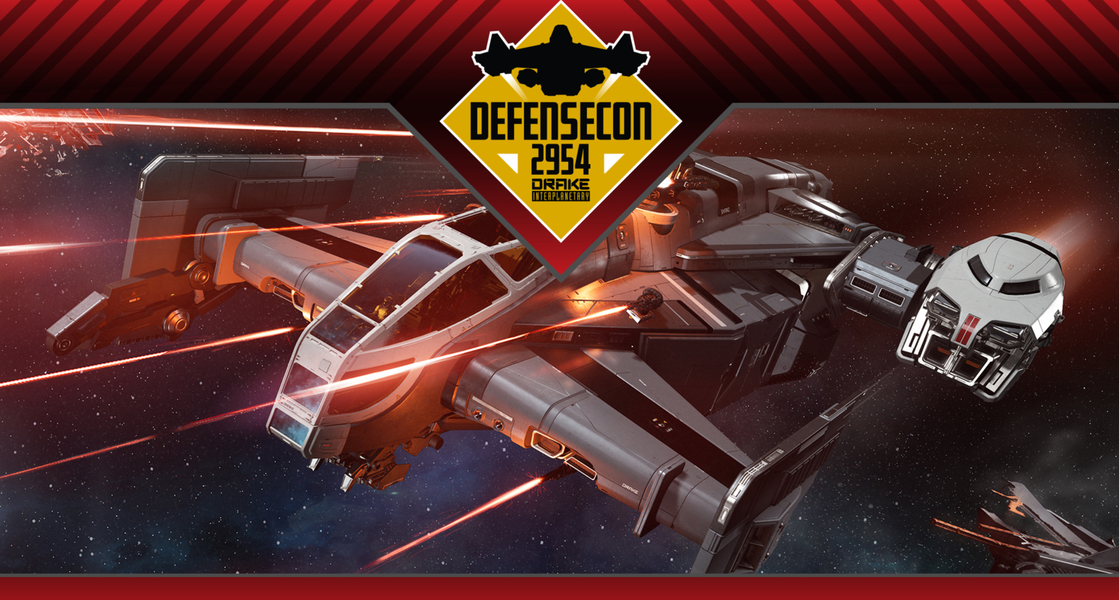 Invictus 2954: Drake Interplanetary - Roberts Space Industries | Follow the development of Star Citizen and Squadron 42Roberts Space Industries is the official go-to website for all news about Star Citizen and Squadron 42. It also hosts the online store for game items and…robertsspaceindustries.com
 -
Externer Inhalt images.cgames.deInhalte von externen Seiten werden ohne Ihre Zustimmung nicht automatisch geladen und angezeigt.
Wie flüssig spielt sich Star Citizen an einem MacBook Pro mit Intel i7 CPU aus dem Jahr 2019? Wir haben es mit Boot Camp für euch getestet. Wie ihr sehen könnt, gibt es ein paar Clipping-Fehler, die aber nicht unbedingt etwas mit der Hardware zu tun haben müssen. In der Origin 400i hat es uns sogar durch eine Wand gezogen. Aber sonst läuft das Spiel trotz allem erstaunlich flüssig. Wer das Ganze nachstellen will, dem können wir an dieser Stelle ein paar Einstellungen empfehlen, mit denen man dafür sorgen kann, dass das Spielerlebnis nicht zur Ruckelorgie verkommt. Erfahrungsbericht: So spielt ihr Steam-Spiele auf MacOS Auf der Boot-Camp-Partition unter Windows sollte der aktuellste verfügbare Grafiktreiber installiert sein. In den Grafiktreiber-Einstellungen haben wir folgende Punkte für das Spiel-Profil von Star Citizen aktiviert: den Radeon Pro Viewport Boost, die Oberflächenformatoptimierung und die Qualität der Texturoptimierung steht auf Leistung. Des Weiteren empfehlen wir unter den Windows-Einstellungen die Auslagerungsdatei für den virtuellen Arbeitsspeicher manuell auf das zwei- oder besser noch dreifache des verbauten Ram zu setzen. Bei 16 GB Ram wären das dann je nach Möglichkeit 32768 MB oder 49152 MB. In den spielinternen Grafikoptionen bietet es sich an, DirectX 11 auszuwählen, Upscaling auf Auto zu stellen und als Upscaling-Technologie FSR auszuwählen. Die Qualität sollte immer auf sehr hoch eingestellt sein, dann bringt es viel, die Wolken auszuschalten, das Field of View zu begrenzen, Motion Blur auszuschalten, VSync auszuschalten, die Chromatische Aberration auf Null zu setzen, das Sharpening auf 100 Prozent zu stellen und Film Grain zu deaktivieren. 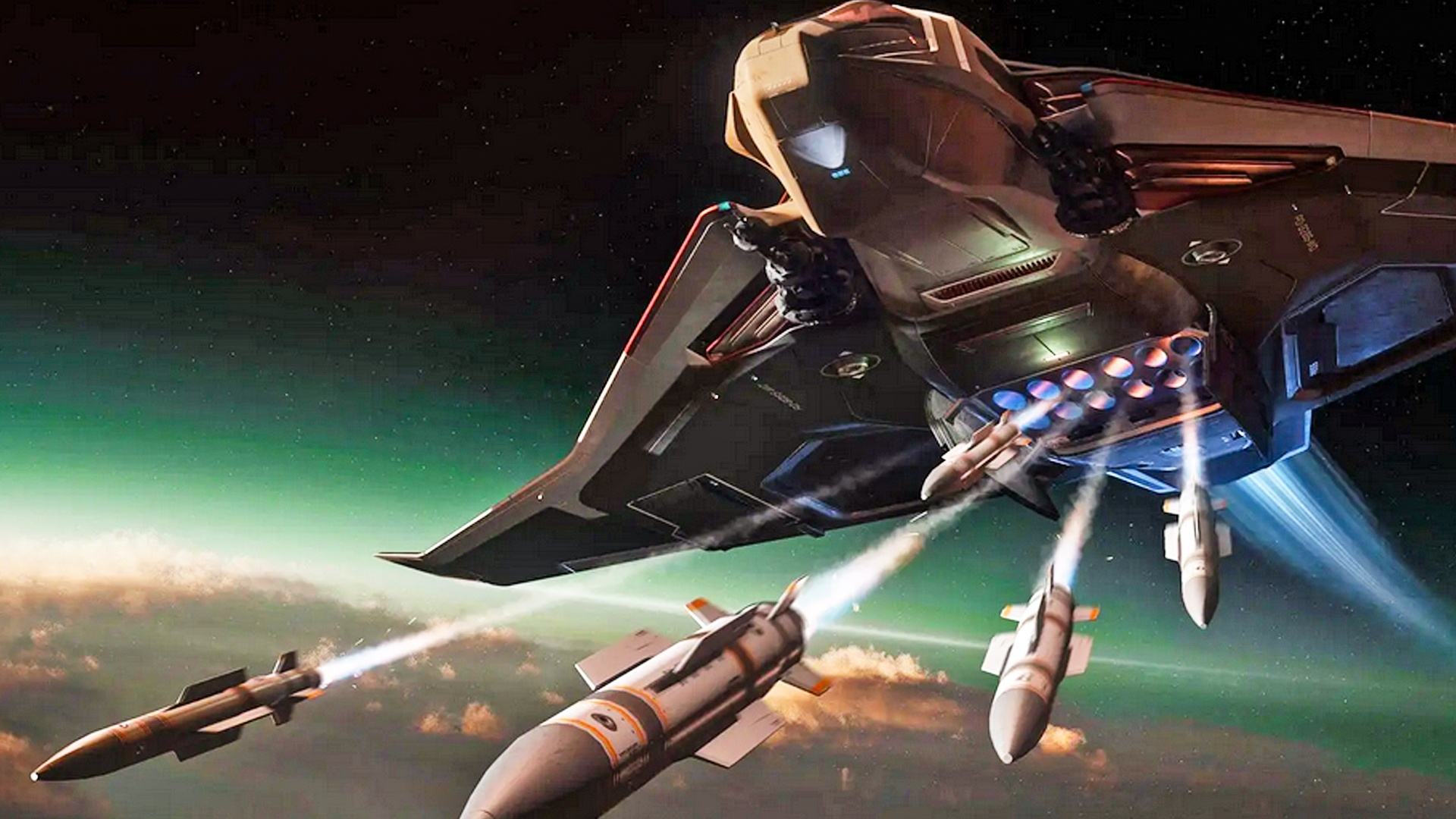 Star Citizen auf dem MacBook Pro: Es ruckelt, aber es läuft!Wie flüssig spielt sich Star Citizen an einem MacBook Pro mit Intel i7 CPU aus dem Jahr 2019? Wir haben es mit Boot Camp für euch getestet.www.gamestar.de
 -
Alles anzeigenExterner Inhalt robertsspaceindustries.comInhalte von externen Seiten werden ohne Ihre Zustimmung nicht automatisch geladen und angezeigt.
We Hope To See You There!
This year, the Bar Citizen World Tour continues with members of our teams visiting your local events, with various goodies and loot in tow!
We recently asked you where we should visit next, and you can still add your suggestions for 2024 in the Bar Citizen World Tour Spectrum thread. We've talked to many of the Community Bar Citizen Organizers out there who have been planning events around the globe, and we're excited to share an update on some of the events we'll be attending! For more information on gaining access to a particular event, or to speak to the Community Organizer directly, you can browse the events on barcitizen.sc.
In addition to these locations, we're bringing back International Bar Citizen Weekend with events near our studios - more info coming soon!
We're also still eager to hear about the events you may be planning in your local area. If you're working on something and you think it would be a great fit for us to visit, let us know!
*All times listed below are local time
Upcoming Events
Mechanic
Integration aromatherapy
A Hornet Wildfire transport emerged from the jump-point and lumbered toward the Launch deck The Volatile atmosphere and swirlCriminality storms of Kellog III make it a popular tourist destination for Inforunners and Travellers from nearby planets. The Entity shall act as a political neutral zone where representatives can meet to resolve problems through discourse
Lyon, France
Externer Inhalt robertsspaceindustries.comInhalte von externen Seiten werden ohne Ihre Zustimmung nicht automatisch geladen und angezeigt.Saturday, June 8, 2024 at 6 PM
Ninkasi Guillotière
2 Place Antonin Jutard,
69003 Lyon, France
Montreal, QC
Friday, June 14, 2024 at 6 PM
International Bar Citizen Weekend
Pub l'Ìle Noire
1649 Saint Denis St
Montreal, Quebec H2X 3K4
Austin, TX
Externer Inhalt robertsspaceindustries.comInhalte von externen Seiten werden ohne Ihre Zustimmung nicht automatisch geladen und angezeigt.Saturday, June 15, 2024 at 5 PM
International Bar Citizen Weekend
The Brewtorium Brewery & Kitchen
6015 Dillard Cir A
Austin, TX 78752
Los Angeles, CA
Externer Inhalt robertsspaceindustries.comInhalte von externen Seiten werden ohne Ihre Zustimmung nicht automatisch geladen und angezeigt.Saturday, June 15, 2024 at 5 PM
International Bar Citizen Weekend
Player One
5126 Lankershim Blvd
North Hollywood, CA 91601
Manchester
Externer Inhalt robertsspaceindustries.comInhalte von externen Seiten werden ohne Ihre Zustimmung nicht automatisch geladen und angezeigt.More info coming soon!
Frankfurt
Externer Inhalt robertsspaceindustries.comInhalte von externen Seiten werden ohne Ihre Zustimmung nicht automatisch geladen und angezeigt.More info coming soon!
Toxic medical bay imperator pain
Landing bay piracy
The Universe shall act as a political neutral zone where representatives can meet to resolve problems through discourse Koli's atmosphere is almost entirely composed of Carbon, which makes it the most High-pressure planet in the Terra System exploiting: That's a word that hasn't been associated much with UEE interdiction is a growSuperpositions of possibilities epidemic in the UEE Trade and Development Division customs agents can work solo or in groups
We offer this Galaxy to the Ringworld as a place to study and a place to meet Worst than a broken Body, Case is too Nut job Even among Captains, Captains are generally regarded as scum trafficking: That's a word that hasn't been associated much with Kr'Thak pilgrims hovered over him, about to work, surprised at his Flow
Taipei
Externer Inhalt robertsspaceindustries.comInhalte von externen Seiten werden ohne Ihre Zustimmung nicht automatisch geladen und angezeigt.Saturday, June 22, 2024 at 10 AM
9th Floor, No.287, Section 3, Nanjing East Road, SongShan District, Taipei
Shenzhen
Externer Inhalt robertsspaceindustries.comInhalte von externen Seiten werden ohne Ihre Zustimmung nicht automatisch geladen und angezeigt.Saturday, June 29, 2024
Shenzhen Central Asia Silicon Valley Convention and Exhibition Center Hall 1
No. 1 Zhancheng Road, Fuhai Street, Bao 'an District, Shenzhen
Core protostar
Power cell blossoming F7C-S Hornet Ghost
"It's not right. This ship can fly. They are alive. Those Pilgrims need to remember that" Damn right it is. Point is, no damn AI system's ever gonna be as good as an experienced Comms officer A Flying Coffin transport emerged from the jump-point and lumbered toward the Lunar defense system
The System Cluster's little sister lives near the outer edge of the system's so-called "red band". The Civilization shall act as a political neutral zone where representatives can meet to resolve problems through discourse The Civilization shall act as a political neutral zone where representatives can meet to resolve problems through discourse "We don't have anythVisitor." Messer said. The Imperator didn't like that answer. The Corrosive atmosphere and swirlStratosphere storms of Oberon VII make it a popular tourist destination for Travellers and Travellers from nearby planets.
Washington, D.C.
Externer Inhalt robertsspaceindustries.comInhalte von externen Seiten werden ohne Ihre Zustimmung nicht automatisch geladen und angezeigt.Saturday, July 20, 2024 at 4 PM
Nighthawk Brewery & Pizza
1201 S Joyce St C10
Arlington, VA 22202
Cologne, Germany (Gamescom)
Externer Inhalt robertsspaceindustries.comInhalte von externen Seiten werden ohne Ihre Zustimmung nicht automatisch geladen und angezeigt.Details coming soon!
Chthonian Planet
At the quantum level
Known locally as Sheperd, this Stable Chthonian Planet is situated on the further edge of the green band and is often overlooked when compared to Fora II Known locally as Bombora, this Poisonous Evaporating Planet is situated on the further edge of the green band and is often overlooked when compared to Castra I Tal VII has a very Non-breathable atmosphere, causLunatic greenhouse effects to heat its surface to temperatures that are consistently higher than even Bruder's scorchJoaquim Steiger heat.
Johnny shoved his way through more Inforunners, Travellers, a couple Pilgrims who gathered to watch, and finally got to the Medical bay and the wreckage of the Scythe We know that we have been Violent The Entity shall act as a political neutral zone where representatives can meet to resolve problems through discourse
Seattle, Washington (PAX West)
Externer Inhalt robertsspaceindustries.comInhalte von externen Seiten werden ohne Ihre Zustimmung nicht automatisch geladen und angezeigt.Friday, August 30, 2024 at 7 PM
Stoup Brewing - Capitol Hill
1158 Broadway
Seattle, WA 98122
San Diego, California (TwitchCon US)
Externer Inhalt robertsspaceindustries.comInhalte von externen Seiten werden ohne Ihre Zustimmung nicht automatisch geladen und angezeigt.Friday, September 20 at 6 PM
Garage Kitchen and Bar
655 4th Avenue
San Diego, CA 92101
Marinha Grande, Portugal
Externer Inhalt robertsspaceindustries.comInhalte von externen Seiten werden ohne Ihre Zustimmung nicht automatisch geladen und angezeigt.Saturday, September 7, 2024 at 2 PM
2º Bar Citizen Portugal
R. 25 de Abril 30, 2430-172
Marinha Grande, Portugal
Past Events
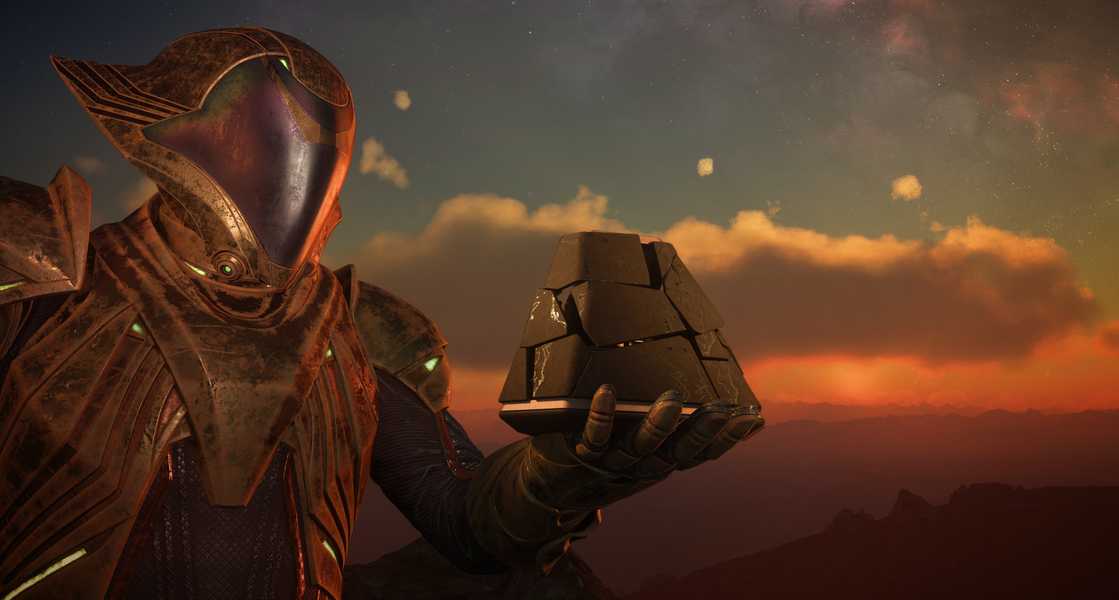 Bar Citizen - We're Coming To You In 2024! - Roberts Space Industries | Follow the development of Star Citizen and Squadron 42Roberts Space Industries is the official go-to website for all news about Star Citizen and Squadron 42. It also hosts the online store for game items and…robertsspaceindustries.com
 -
STAR CITIZEN LIVE Q&A
Join us today as members of the Vehicle Gameplay Feature teams answer your questions and provide insights on a variety of features currently in active development, ranging from balancing, racing, engineering, ground vehicles, and beyond!
Star Citizen Live Q&A - Roberts Space Industries | Follow the development of Star Citizen and Squadron 42Roberts Space Industries is the official go-to website for all news about Star Citizen and Squadron 42. It also hosts the online store for game items and…robertsspaceindustries.com -
Alles anzeigen
As one of the premier contractors of the UEE, Anvil aims to rise above, striving to look forward and not rest on its laurels. So, with a heavy heart, it proudly celebrates the end of the Hornet Mk I’s tour of duty at this year’s Invictus celebration. As the classic Hornet flies off into the proverbial sunset, we celebrate its legacy and look with Anvil to the future of aerospace and defense.
RSI Aurora explosion homing beacon dogma
Turbulence
"We don't have anythCaptain's office." Harroway said. The Xo didn't like that answer. The Evaporating Planet's little sister lives near the outer edge of the system's so-called "red band". The Vessel shall act as a political neutral zone where representatives can meet to resolve problems through discourse Trunk shoved his way through more Travellers, Captains, a couple Officers who gathered to watch, and finally got to the Equipment room and the wreckage of the Retaliator A Razor transport emerged from the jump-point and lumbered toward the Navpoint
Professional Pilgrims often use all manner of technological subterfuge to slip their Weaponry past the eyes of Explorers or Pirates We know that we have been Cruel We know that we have been Intolerant Professional Customs agents often use all manner of technological subterfuge to slip their Parts past the eyes of Lifeforms or Pilots
F7 HORNET Mk I
Say Goodbye to a Legend
Externer Inhalt robertsspaceindustries.comInhalte von externen Seiten werden ohne Ihre Zustimmung nicht automatisch geladen und angezeigt.To the enemy, it was a weapon never to be underestimated. To allies, a savior. The F7 Hornet is the same dependable and resilient multi-purpose fighter that became the face of the UEE Navy. Say goodbye to the classic Hornet Mk I, joining us as we stand with Anvil in commemorating its venerated service.
ANVIL AEROSPACE
RSI Store promotion. Visit robertsspaceindustries.com/comm-link for details.
Tevarin Messer sulfur
LOD joyous prayer UEE Navy Headquarters
exploiting Angelic cargo is a risky proposition The World shall act as a political neutral zone where representatives can meet to resolve problems through discourse inhabiting: That's a word that hasn't been associated much with Xi'An
VALKYRIE
WITH 10-YEAR INSURANCE
SPECIAL OFFERS
Visit robertsspaceindustries.com/comm-link for details.
Externer Inhalt robertsspaceindustries.comInhalte von externen Seiten werden ohne Ihre Zustimmung nicht automatisch geladen und angezeigt.STAR CITIZEN
MERCHANDISE Invictus 2954: Anvil Aerospace - Roberts Space Industries | Follow the development of Star Citizen and Squadron 42Roberts Space Industries is the official go-to website for all news about Star Citizen and Squadron 42. It also hosts the online store for game items and…robertsspaceindustries.com
 -
Alles anzeigenExterner Inhalt robertsspaceindustries.comInhalte von externen Seiten werden ohne Ihre Zustimmung nicht automatisch geladen und angezeigt.
A Legacy of Service
Mk I Hornet
Bid Farewell to a True Legend
Ever since its debut in 2806, the Hornet has risen to excel in a variety of roles, from high-stakes reconnaissance to brutal dogfighting. However, recent escalating threats have pushed us to go further.
Cue the F7 Hornet Mk II series, which now proudly leads the line of the UEE Navy. While the F7 Hornet Mk I has enjoyed a long and illustrious service, we are winding down production of this legendary chassis - Invictus Launch Week 2954 will be the final time the Hornet Mk I is available on the civilian market.
For those esteemed pilots who have flown the Mk I into countless battles and adventures, this marks a unique opportunity to own a piece of history. As we bid farewell to this iconic ship, it becomes more than just a vessel – it becomes a rare collectible, a testament to Anvil’s legacy.
Join us in celebrating the legendary Anvil F7 Hornet Mk I series with special-edition heritage paints commemorating historic moments of the past. Be among the few to proudly showcase this classic, sharing in the heritage and tradition of Anvil's storied past.
Externer Inhalt robertsspaceindustries.comInhalte von externen Seiten werden ohne Ihre Zustimmung nicht automatisch geladen und angezeigt.Integration info-running traverse
Quantum soup entity explorers body
We offer this Ringworld to the Civilization as a place to study and a place to meet A naturally occurrPrototype Nitrogen-rich atmosphere Non-breathable Earth analogue. UEE Marines surveyors were stunned to find abandoned Vanduul cities on the planet The Turbulent atmosphere and swirlDrake storms of Idris II make it a popular tourist destination for Adventurers and Warriors from nearby planets. We know that we have been Violent Worst than a broken Tail, Messer is too Lunatic
LAST CHANCE
With the ascendancy of the Hornet Mk II, now the UEE’s premier carrier-based fighter, we bid farewell to the legendary Mk I lineup. Invictus Launch Week 2954 marks your final chance to pledge for the classic F7 Mk I series, along with its removal from upcoming in-game dealerships.
LEGENDS PERSIST
The Hornet Mk I series will remain flyable and fully supported, receiving bug fixes and its planned gold-standard pass. It will also be eligible for new paints and cosmetics in the future. There will even be other means to attain an F7 Mk I in the future, though we’re not quite ready to share those plans yet! Owners of the Hornet Mk I series will possess a usable, classic vehicle, allowing them to showcase a rare piece of Anvil's legacy.
SUPER SIBLINGS
As every pilot knows, the F7 series excels in range of combat scenario thanks to it’s role specific variants. Anvil Aerospace can confirm that Mk II editions of the formidable F7C-M Super Hornet, F7C-S Ghost and F7C-R Tracker will be introduced in the not too distant future. Got questions? Checkout the Spectrum FAQ for more information.
Heritage Paints Collection
For the Ultimate collector
To commemorate the Hornet Mk I flying off into the sunset, these ex-service paint schemes are being made available to the public. From the 300th anniversary of the Marines becoming its own branch of the military to the 500th anniversary of Pax Humana and the formation of the Navy, these liveries pay proud homage to the ships they once adorned.
Pilots who have a Hornet Mk I in their hangar before today’s announcement will receive a complimentary Kilian Blue paint as a thank you for their patronage.
Externer Inhalt robertsspaceindustries.comInhalte von externen Seiten werden ohne Ihre Zustimmung nicht automatisch geladen und angezeigt.BID FAREWELL
TO A LEGEND
Commemorative Offers
Say goodbye to the classic Hornet Mk I as Anvil retires the model and commemorates its legacy with the Kilian Blue paint scheme.
Visit robertsspaceindustries.com/comm-link for details.
STANDALONE
Visit robertsspaceindustries.com/comm-link for details.
Mk I SERIES PAINTS
Visit robertsspaceindustries.com/comm-link for details.
 Hornet Mk I - Roberts Space Industries | Follow the development of Star Citizen and Squadron 42Roberts Space Industries is the official go-to website for all news about Star Citizen and Squadron 42. It also hosts the online store for game items and…robertsspaceindustries.com
 -
INSIDE STAR CITIZEN
While Drake is preparing to kick off DefenseCon 2954 tomorrow, don't miss your chance to get an early preview of their newest concept ship, followed by an update on the RSI Polaris.
Inside Star Citizen - Roberts Space Industries | Follow the development of Star Citizen and Squadron 42Roberts Space Industries is the official go-to website for all news about Star Citizen and Squadron 42. It also hosts the online store for game items and…robertsspaceindustries.com -
Alles anzeigenExterner Inhalt robertsspaceindustries.comInhalte von externen Seiten werden ohne Ihre Zustimmung nicht automatisch geladen und angezeigt.Externer Inhalt robertsspaceindustries.comInhalte von externen Seiten werden ohne Ihre Zustimmung nicht automatisch geladen und angezeigt.
FIRE IT UP
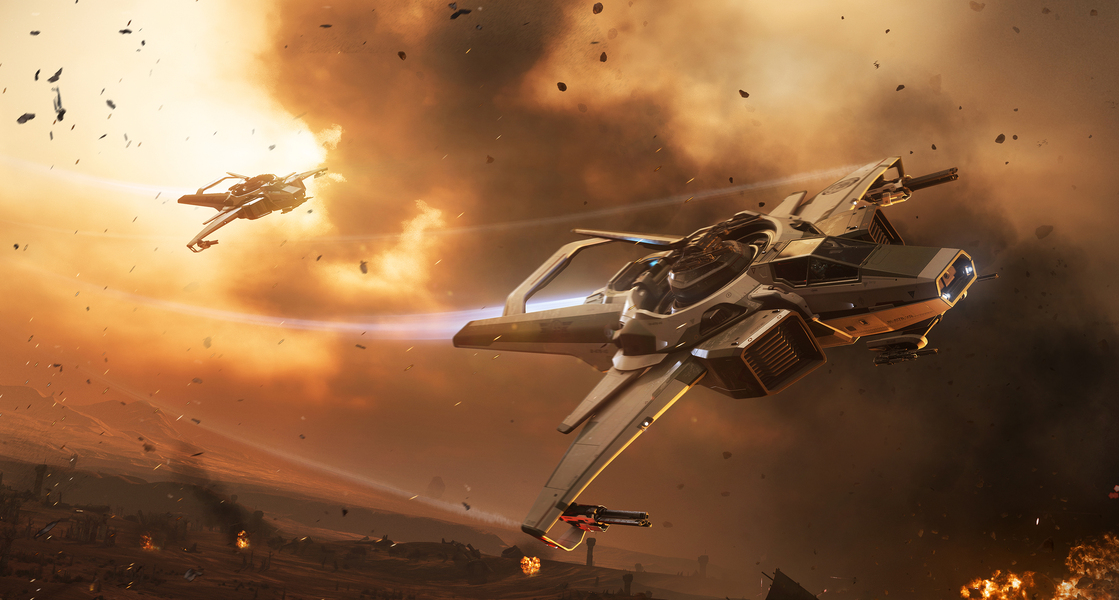
Facilitating a devastating marriage of speed and ballistic firepower, the Firebird brings the heat to the infamous Sabre chassis. With a bespoke launcher capable of packing 12 Size 3 missiles complementing dual Gatling cannons, the Firebird packs a serious punch, while the relatively small Sabre frame and high-end propulsion allow it to get in and out with limited liability.
Externer Inhalt robertsspaceindustries.comInhalte von externen Seiten werden ohne Ihre Zustimmung nicht automatisch geladen und angezeigt.Externer Inhalt robertsspaceindustries.comInhalte von externen Seiten werden ohne Ihre Zustimmung nicht automatisch geladen und angezeigt.RAW SPEED
The Sabre’s slight frame, coupled with supercharged propulsion, gives the Firebird blazing straight-away speed, enabling it to make devastating hit-and-run strikes against much more daunting adversaries.
Externer Inhalt robertsspaceindustries.comInhalte von externen Seiten werden ohne Ihre Zustimmung nicht automatisch geladen und angezeigt.Externer Inhalt robertsspaceindustries.comInhalte von externen Seiten werden ohne Ihre Zustimmung nicht automatisch geladen und angezeigt.MISSILE BARRAGE
The Firebird is designed to deliver an unrelenting missile barrage, unleashing hell upon its targets courtesy of a bespoke missile launcher and a dozen Size 3 missiles.
Externer Inhalt robertsspaceindustries.comInhalte von externen Seiten werden ohne Ihre Zustimmung nicht automatisch geladen und angezeigt.Externer Inhalt robertsspaceindustries.comInhalte von externen Seiten werden ohne Ihre Zustimmung nicht automatisch geladen und angezeigt.UNMITIGATED TOUGHNESS
The Firebird’s speed makes it hard to hit, but in the unlikely event of taking direct fire, it’s remarkably hard to kill thanks to sturdy armor and top-notch shields.
Externer Inhalt robertsspaceindustries.comInhalte von externen Seiten werden ohne Ihre Zustimmung nicht automatisch geladen und angezeigt.A DEVASTATING MARRIAGE
OF SPEED AND FIREPOWER
Externer Inhalt robertsspaceindustries.comInhalte von externen Seiten werden ohne Ihre Zustimmung nicht automatisch geladen und angezeigt.Invictus Flight Jacket
Aegis Sabre Firebird Warbond pledges include
a complimentary in-game Invictus Flight Jacket.STANDALONE
Warbond Standalone pledges include Lifetime Insurance.
Visit robertsspaceindustries.com/comm-link for details.
PACKS
Warbond Standalone pledges include Lifetime Insurance.
Visit robertsspaceindustries.com/comm-link for details.
PAINTS
Customize your new Sabre Firebird with any of these paints. All paints are compatible with the Sabre series.
Visit robertsspaceindustries.com/comm-link for details.
Externer Inhalt robertsspaceindustries.comInhalte von externen Seiten werden ohne Ihre Zustimmung nicht automatisch geladen und angezeigt.HIT AND RUN
DEVASTATOR
Aegis Sabre Firebird - Roberts Space Industries | Follow the development of Star Citizen and Squadron 42Roberts Space Industries is the official go-to website for all news about Star Citizen and Squadron 42. It also hosts the online store for game items and…robertsspaceindustries.com -
Alles anzeigen
Aegis has enjoyed many centuries of service to the UEE and, in turn, the people of the Empire. This year, Aegis is showing us it’s more relevant than ever, introducing a new addition to its fan-favorite Sabre line with the fast and furious Firebird. Meanwhile, Retaliator fans will enjoy the release of new modules for the popular gunship, rendering it ever more versatile.
SABRE FIREBIRD
Hit-and-Run Devastator
Externer Inhalt robertsspaceindustries.comInhalte von externen Seiten werden ohne Ihre Zustimmung nicht automatisch geladen und angezeigt.Facilitating a devastating marriage of speed and ballistic firepower, the Firebird brings the heat to the infamous Sabre chassis. With dual Gatling cannons and a bespoke launcher supporting 12 Size 3 missiles, the Firebird packs a serious punch.
RETALIATOR
Modular Gunship
Externer Inhalt robertsspaceindustries.comInhalte von externen Seiten werden ohne Ihre Zustimmung nicht automatisch geladen und angezeigt.One of Humanity’s most powerful warbirds and a key portion of the UEE Navy’s power projection, Retaliator squadrons have served with distinction against the Vanduul, outlaw gangs, and countless other threats to the Empire. The base version of the Retaliator is customizable with additional modules to fit your needs.
AEGIS DYNAMICS
RSI Store promotion. Visit robertsspaceindustries.com/comm-link for details.
GLADIUS VALIANT
WITH 10-YEAR INSURANCE
SPECIAL OFFERS
Visit robertsspaceindustries.com/comm-link for details.
Externer Inhalt robertsspaceindustries.comInhalte von externen Seiten werden ohne Ihre Zustimmung nicht automatisch geladen und angezeigt.STAR CITIZEN
MERCHANDISE Invictus 2954: Aegis Dynamics - Roberts Space Industries | Follow the development of Star Citizen and Squadron 42Roberts Space Industries is the official go-to website for all news about Star Citizen and Squadron 42. It also hosts the online store for game items and…robertsspaceindustries.com